University of Problems
Play University of Problems
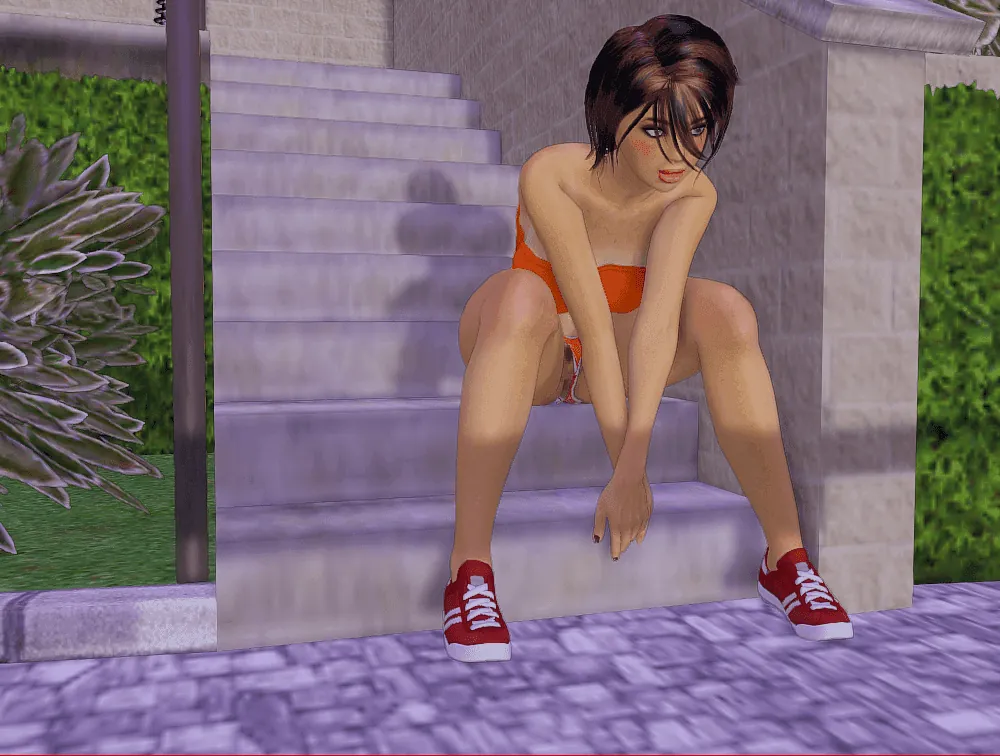
University of Problems Screenshots






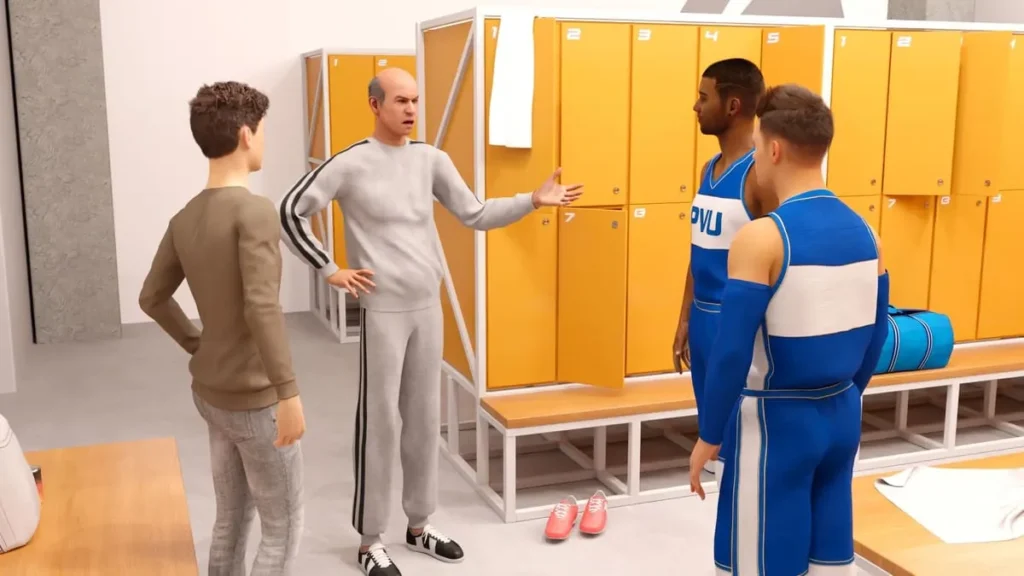




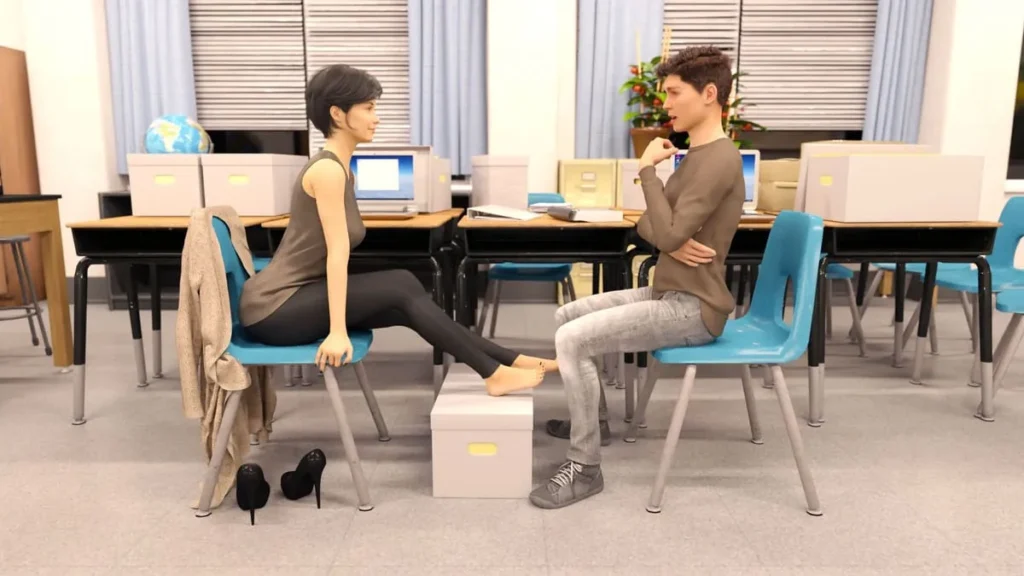

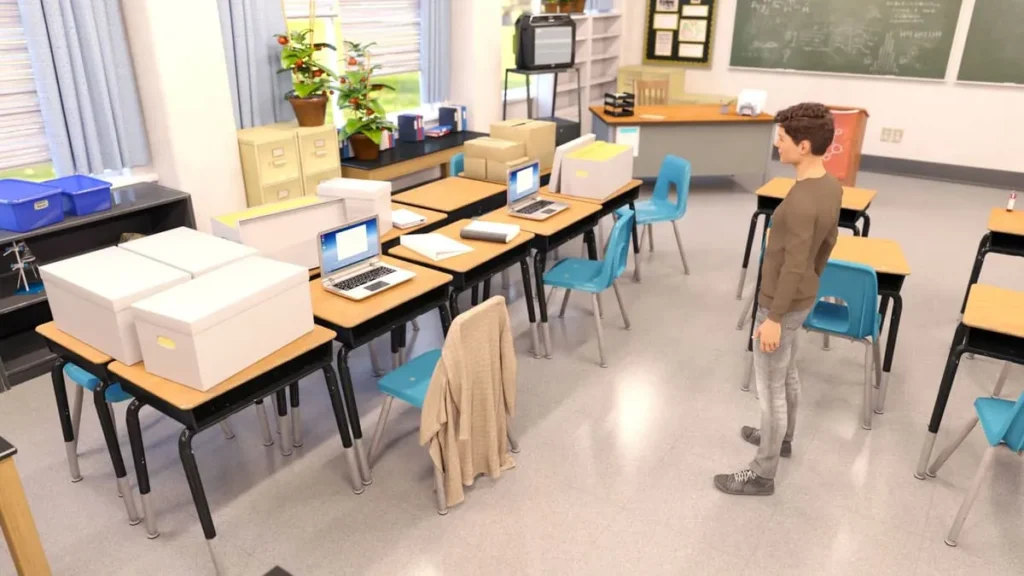
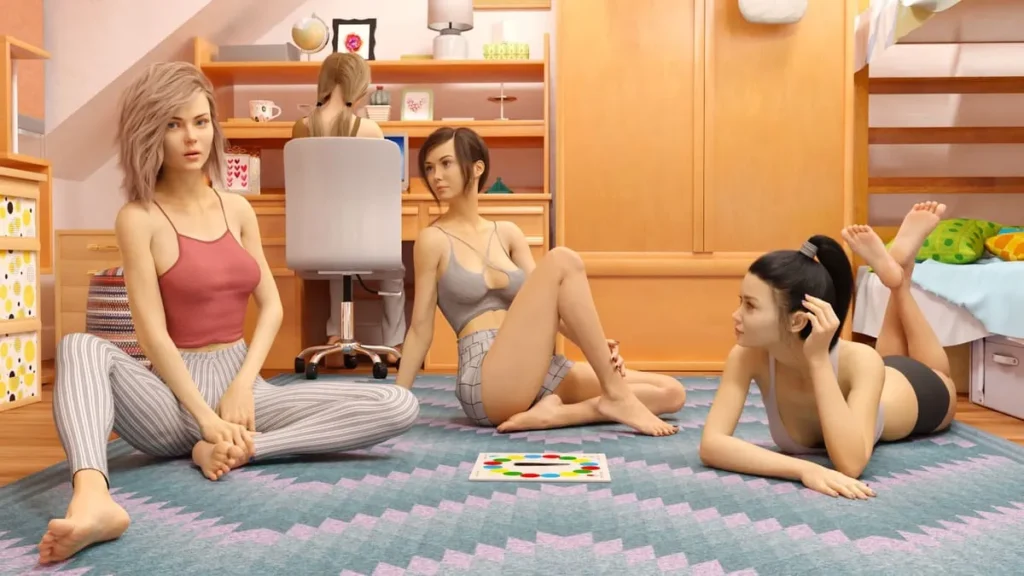
University of Problems review
A grounded look at story, choices, and adult themes in University of Problems
University of Problems is an adult-focused visual novel where you follow a new student trying to build relationships, make tough choices, and navigate a very eventful campus life. If you’ve seen screenshots or heard people talking about this title, you might be wondering how it actually plays, how deep the story goes, and whether it’s more than just eye candy. When I first tried University of Problems, I expected a shallow experience, but I was surprised by how much the choices, relationship paths, and pacing drew me in. In this article, I’ll walk you through what to expect from the game, how its systems work in practice, and who will likely enjoy it the most.
What Is University of Problems and How Does It Play?
Stepping onto the virtual campus of University of Problems for the first time is a uniquely immersive experience. You’re not just starting a game; you’re moving into a new life. This University of Problems visual novel drops you into the shoes of a young man arriving at a sprawling modern university, suitcase in hand and a world of possibilities ahead. The core promise? To live out a chaotic, engaging, and often hilarious campus journey where every day brings new faces, new dilemmas, and new connections. If you’ve ever wondered how does University of Problems work, it all begins with this simple, relatable premise: navigating the thrilling, messy adventure of college life, where the most important lessons often happen far from the lecture hall. 😊
As a mature adult college game, it strikes a specific tone—a blend of lighthearted comedy, genuine drama, and mature romantic encounters, all wrapped in a stylish visual novel package. It’s a game about people, choices, and consequences, designed strictly for a grown-up audience seeking a story-driven experience.
Core premise: a student’s chaotic campus journey 🎒
The University of Problems story begins with a fresh start. You’re the new student in town, getting keys to a dorm room, meeting your soon-to-be-famous (or infamous) roommates, and figuring out where the library is versus the best coffee shop. Right from the start, the game establishes that your academic success is just one part of the equation—and often, not the most exciting part. The real heart of the University of Problems game is the vibrant social ecosystem you step into.
You’ll quickly meet a cast of characters, from fellow students living down the hall to neighbors in adjacent apartments, each with their own distinct personalities, backgrounds, and stories waiting to unfold. The narrative cleverly builds your world through these interactions. Scenes play out in authentically rendered locations: cramped dorm rooms buzzing with conversation, lively common areas, buzzing off-campus cafes, and pulsating nightclubs. The game excels at making you feel like you’re building a life, one conversation at a time.
I remember my first in-game week vividly. After the introductory scenes, my calendar suddenly filled up! 🗓️ Sarah from chemistry study group suggested grabbing a drink, my roommate was hosting a small get-together, and I had a chance to run into that intriguing neighbor at the gym. It felt wonderfully overwhelming—a true simulation of that “trying to be everywhere at once” feeling of early university days. You realize that saying “yes” to one thing inherently means missing another, which is the first big lesson in the game’s philosophy of choice.
How the visual novel structure and choices work 🎮
So, how does University of Problems work on a mechanical level? At its heart, it’s a classic visual novel, which means the primary gameplay loop involves reading richly written dialogue and descriptive narrative. You’ll be presented with beautifully drawn character sprites against detailed backgrounds, with text setting the scene and driving the University of Problems story forward. But you’re far from a passive reader.
The magic—and the branching choices University of Problems is known for—happens when the game pauses and presents you with options. These can be dialogue responses, decisions on how to spend your time, or physical actions. A choice might be as simple as choosing a flirty or friendly reply, or as significant as deciding which character to support in a conflict. Each decision acts as a fork in the road, silently influencing relationship points, unlocking future scenes, or even closing off entire story arcs.
Here’s a simple, non-spoiler example from my playthrough: On a Friday evening, I could choose to attend a house party with the more extroverted crowd or offer to help a quieter character with a personal project. Choosing the party led to a fun, raucous scene full of group dynamics and new introductions. Choosing the one-on-one time resulted in a deeply personal conversation that significantly deepened that relationship. The game didn’t flash a warning saying “You will lock out the party!”—it just respectfully let my choice shape my unique story. This is the essence of the University of Problems visual novel experience.
The pacing mimics real life. Some in-game days are relaxed, with maybe one key choice that gently nudges a relationship. Others, especially weekends or festival times, are narrative rollercoasters, stacking multiple events and meaningful branching choices back-to-back. The game also uses hidden requirements, like having reached a certain affinity level with a character or made a specific choice three chapters prior, to gate some of its most rewarding scenes. This encourages replayability, as you go back to see what a different path might have unlocked.
To summarize the core loop of the University of Problems game, here’s what you’ll spend your time doing:
* Reading engaging dialogue and narrative that builds the world.
* Choosing between options that shape your relationships and the story.
* Building relationships with a diverse cast of characters through your decisions.
* Unlocking scenes that reflect the narrative path you’ve curated, including both dramatic and mature moments tied to your connection with characters.
| Your Choice | Possible Short-Term Consequence | Potential Long-Term Branch |
|---|---|---|
| Comfort a character during a personal crisis | Immediate increase in trust and closeness. | Unlocks a deeper, more intimate story arc with them later. |
| Prioritize studying over a social event | You might miss a fun group scene. | Could improve a “stat” that unlocks a unique academic-related scene down the line. |
| Take a side in a friend-group disagreement | One character appreciates your support. | The other character may become distant, altering their available storyline. |
Why the game stands out among adult campus stories 🌟
The niche of adult college game titles is crowded, but University of Problems manages to stand out for several key reasons. First is its production value. For a game in this genre, the visual and auditory presentation is notably polished. The character art is expressive and consistent, with detailed outfits and animations that add life to interactions. The backgrounds aren’t just generic stock photos; they feel like lived-in spaces, from messy dorm rooms to vibrant city streets, which solidifies that grounded, present-day atmosphere.
Secondly, the writing contains a surprisingly low amount of filler. The narrative is tight, focused on character development and moving your personal story forward. This makes the University of Problems story feel purposeful and engaging, rather than a slog to get to the “good parts.”
What truly sets it apart, in my opinion, is how it handles its mature themes. The adult content isn’t random or gratuitous; it’s treated as a narrative component that’s earned through relationship development.
You build a connection, share moments, and navigate dramas with a character. The mature scenes that can arise feel like a natural progression of that bond, a culmination of choices made rather than a reward disconnected from the story. This creates a much more satisfying and emotionally resonant experience than games where such elements feel tacked-on.
Finally, its commitment to a grounded, relatable setting is a major strength. There are no fantasy elements or sci-fi twists here—just the amplified, dramatic reality of college life and young adulthood. This makes the characters’ problems, joys, and dilemmas feel more tangible. Whether it’s dealing with a difficult roommate, stressing about finances, or the nervous excitement of a first date, the situations have a core of reality that many players can connect with, even if the outcomes are more cinematic. 🎬
When considering is University of Problems worth playing, the answer hinges on what you enjoy. If you love reading, getting invested in character arcs, and the power of meaningful choice in storytelling, this structure is tailor-made for you. It appeals to players who want to guide a relationship over many in-game days and weeks, witnessing the consequences of their decisions unfold in a stylish, engaging world. It proves that a mature game can be just as much about the journey and the characters as it is about the destination.
A Couple Quick Questions Before You Go…
Is University of Problems a free game?
No, it’s a premium title. You purchase the game upfront, which typically grants access to all current story content and updates without microtransactions for major narrative paths.
How long is University of Problems?
A single playthrough, focusing on one main relationship path, can easily take 15-20 hours. However, with its extensive branching choices, seeing all the different character arcs and outcomes requires multiple playthroughs, significantly extending the total playtime.
University of Problems takes a simple premise—a new student starting campus life—and turns it into a long, choice-driven journey where your decisions genuinely shape how relationships and events unfold. Instead of throwing random scenes at you, it slowly rewards attention, patience, and curiosity as you get to know each character and explore different paths. If you enjoy reading, making meaningful choices, and following multi-layered relationship arcs rather than rushing through content, this game can be a surprisingly engaging way to spend your time. Give yourself a few in-game days to settle in, experiment with different decisions, and see which characters and routes resonate with you the most.