
The Theater of Sinners
Play The Theater of Sinners
The Theater of Sinners Screenshots
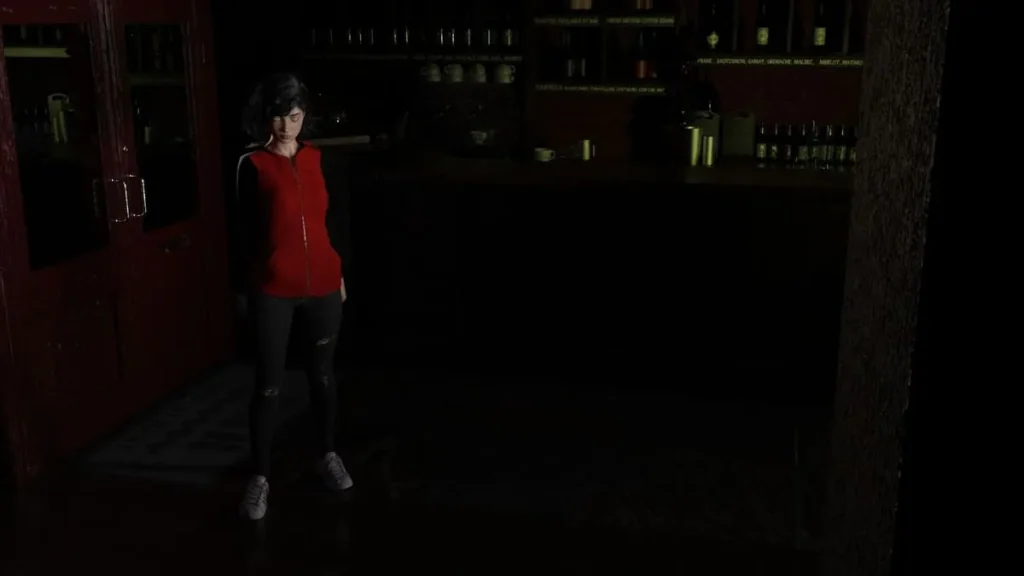
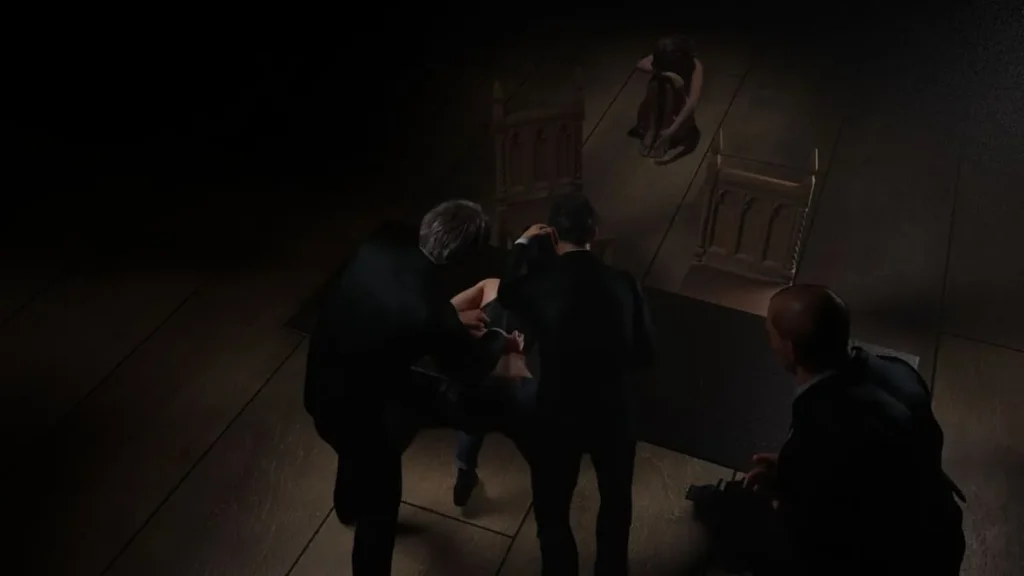
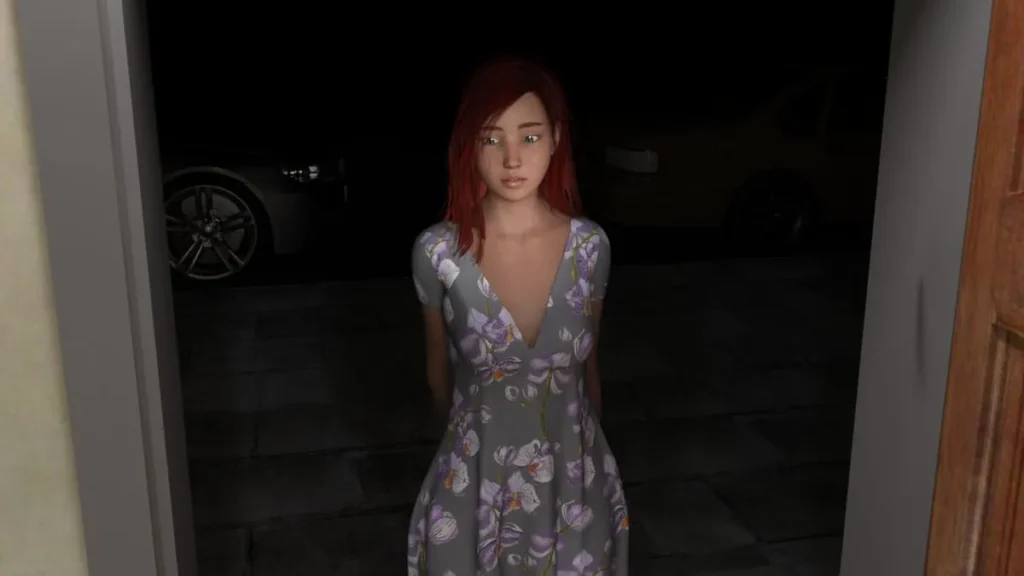
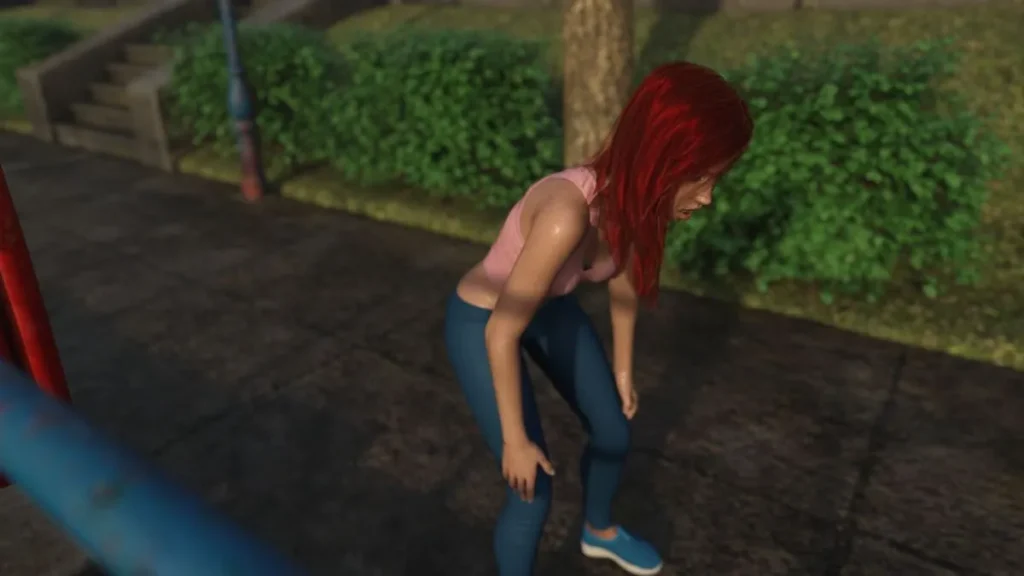

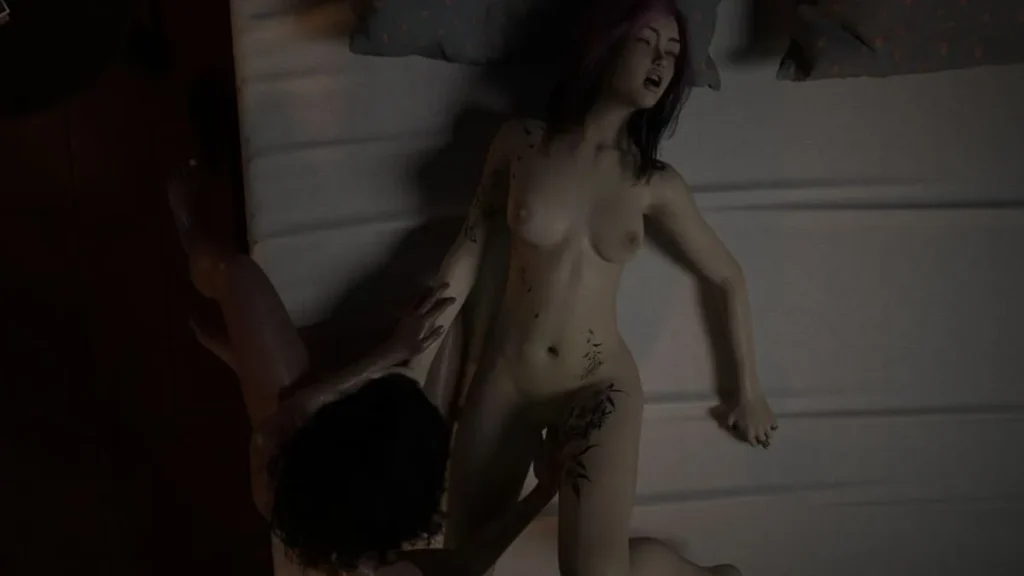
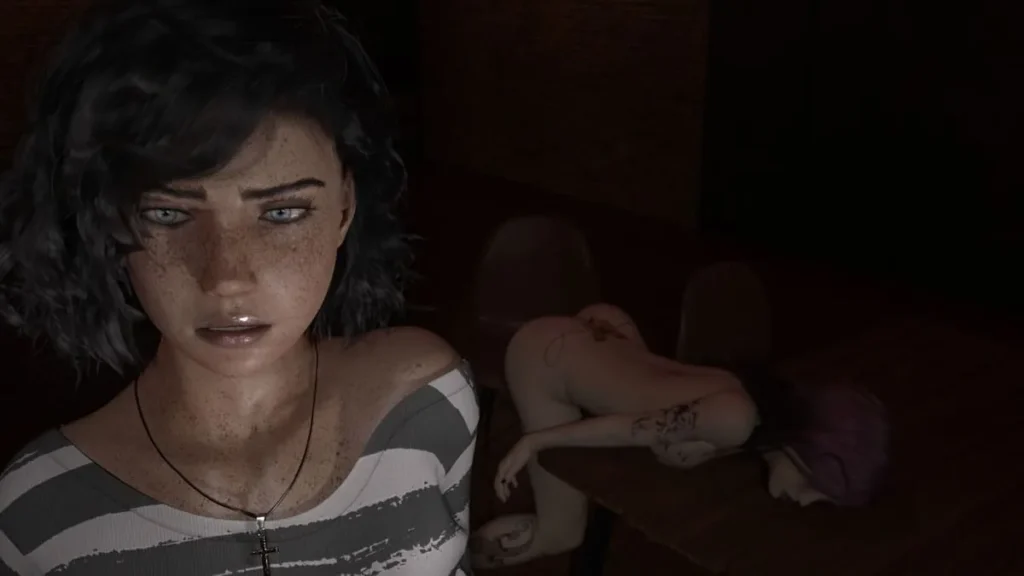



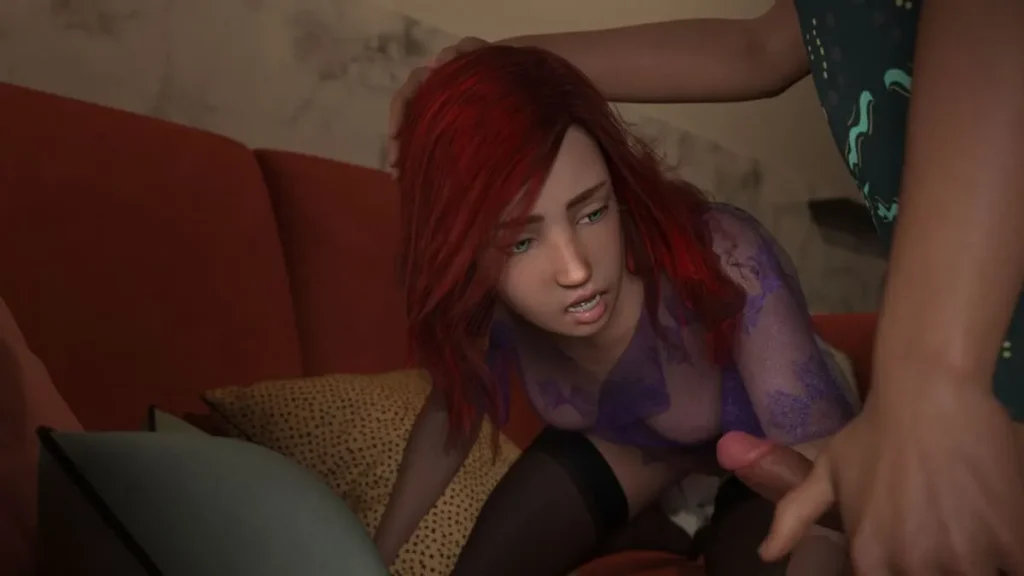
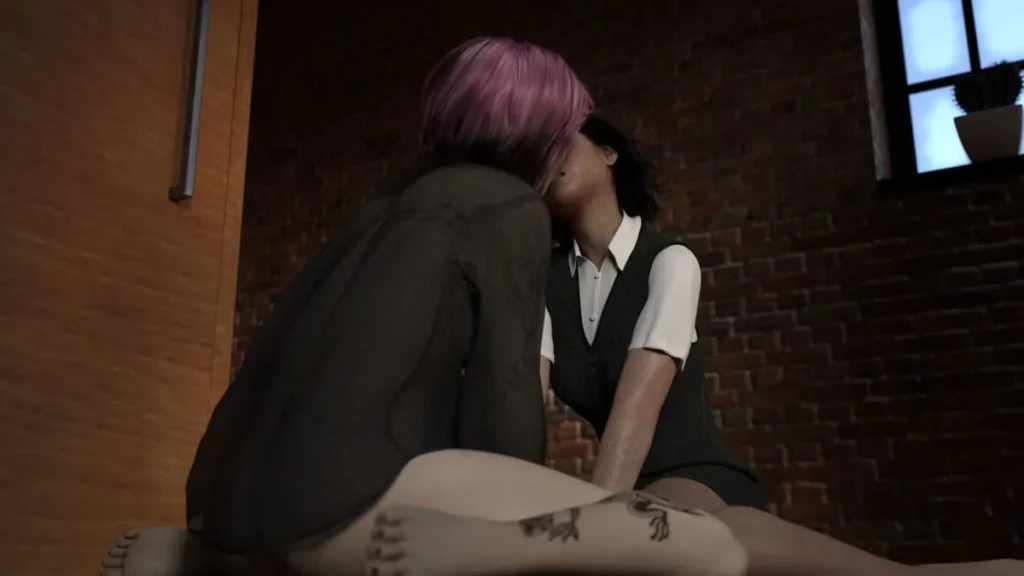
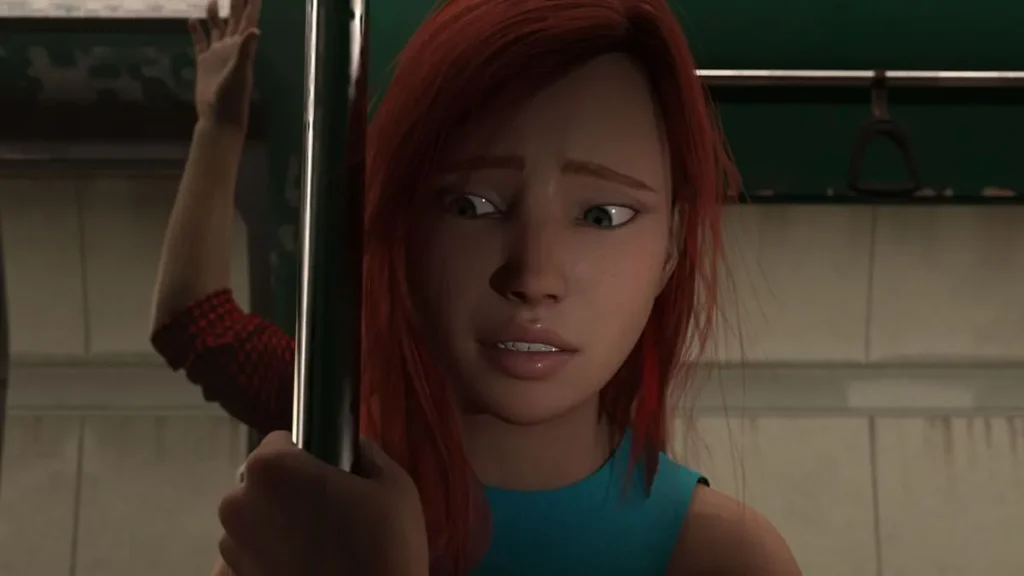


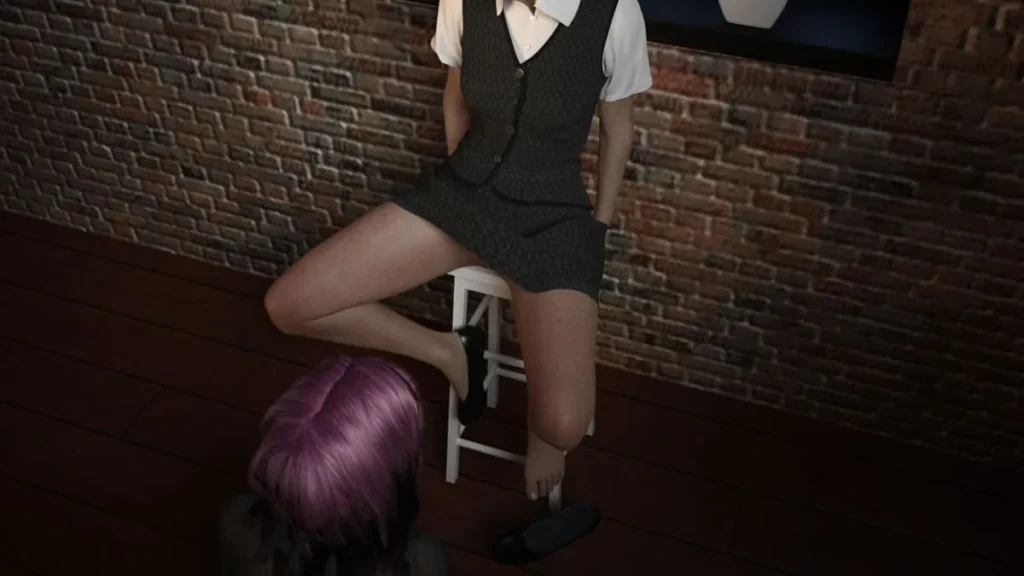
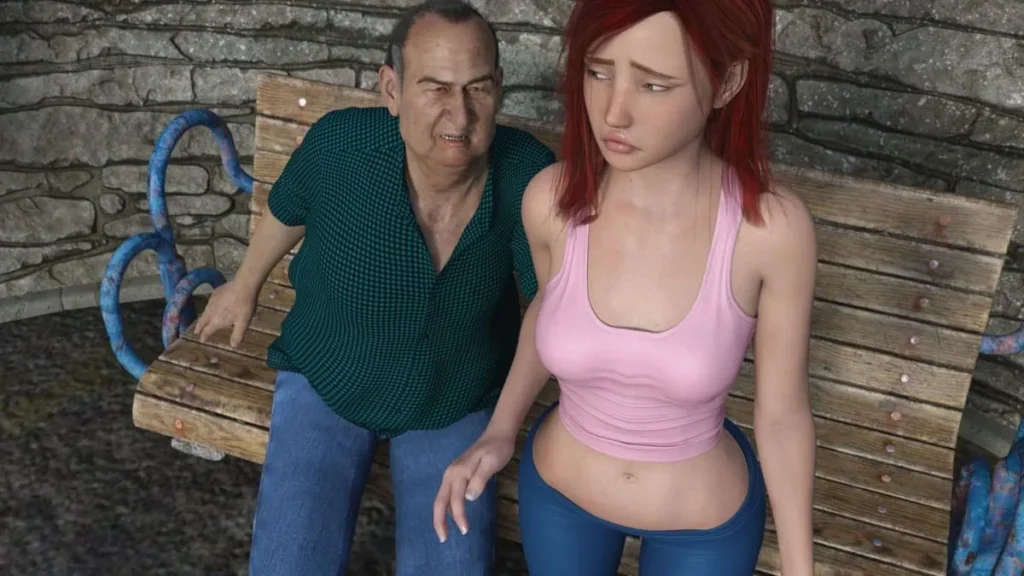
The Theater of Sinners review
Exploring the narrative complexity, character development, and psychological themes of this decision-driven experience
The Theater of Sinners stands out as a uniquely crafted adult visual novel that prioritizes narrative depth and psychological complexity over conventional gameplay mechanics. Developed by JustXThings and currently in version 0.3 ALPHA 1, this decision-based Ren’Py experience immerses players in a morally ambiguous world where choices carry genuine consequences. Rather than offering clear-cut moral paths, the game challenges players to navigate intricate character relationships and ethical dilemmas within a richly detailed setting. Whether you’re drawn to character-driven storytelling, psychological themes, or complex narrative branching, understanding what makes this visual novel distinctive can help you decide if it aligns with your gaming preferences.
Understanding The Theater of Sinners: Core Gameplay and Narrative Structure
I still remember the first time I booted up The Theater of Sinners. I was expecting, well, a fairly standard experience. Maybe some nice art, a bit of story, and some choices that led to obvious “good” or “bad” endings. What I got instead was a narrative labyrinth that completely redefined what I thought a decision-based narrative game could be. 🤯 It didn’t just ask me to pick a path; it demanded I live with the psychological rubble of every single choice. If you’re coming from traditional RPGs or action games, buckle up. This is a different kind of journey, one played out in the theater of the mind.
This chapter is your backstage pass. We’re going to strip away the curtains and look at the machinery that makes this interactive narrative experience tick. We’ll explore the unique visual novel gameplay mechanics, dissect the brilliant consequence systems, and map out the daring non-linear storytelling structure that makes The Theater of Sinners a masterpiece of its genre.
What Makes This Visual Novel Different From Traditional Games
Let’s clear the air first. If you’re looking for a game where you mash buttons, grind for loot, or conquer levels, you’ve taken a wrong turn at the menu screen. The Theater of Sinners is a pure, concentrated narrative experience. It’s built on the Ren’Py engine, the powerhouse behind countless visual novels, which perfectly suits its dialogue-heavy, introspection-focused design. Calling it a Ren’Py adult game is accurate on a technical level, but it sells the experience short. The explicit content isn’t the destination; it’s a part of the unsettling, raw landscape these characters inhabit, serving the story’s psychological depth rather than overshadowing it.
The developer has described the process as closer to writing a novel or composing a piece of music than designing a conventional game. Your primary controller isn’t a joystick—it’s your empathy, your judgment, and your willingness to peer into uncomfortable corners of the human psyche. The “gameplay” is active reading, critical thinking, and emotional investment.
Here are the key features that set this visual novel gameplay mechanics apart from most games you’ve played:
- Four Protagonists, One Web: You don’t guide one hero. You alternately step into the minds of four deeply flawed, interconnected characters. The story is a tapestry of their collective traumas, desires, and secrets.
- Stat-Driven Psychology: Instead of Strength or Dexterity, you manage stats like Empathy, Cynicism, Willpower, and Curiosity. These aren’t for combat; they’re the lenses through which your character perceives and reacts to the world, directly unlocking or locking dialogue and narrative paths.
- The Absence of a Moral Compass: Forget “Paragon” or “Renegade.” Choices are nuanced, often between shades of grey, self-interest, and damaged logic. The game refuses to pat you on the head or slap your wrist.
- Narrative as Puzzle: The plot isn’t spoon-fed. You piece it together from fragmented scenes, unreliable perspectives, and flashbacks, making you an active detective in the story’s mystery.
This framework creates an intensely personal interactive narrative experience. You’re not watching a story unfold; you’re psychologically engineering it, for better or worse.
Decision-Based Mechanics and Consequence Systems
This is where The Theater of Sinners truly shines. Every dialogue choice, every action, and every silent moment of inaction has weight. The branching storyline consequences are the engine of the entire experience. I learned this the hard way. Early on, playing as one protagonist, I chose to offer a harsh, “truthful” retort to another character, thinking it would make my avatar seem strong. The game didn’t flash a “-10 Relationship” on the screen. It simply remembered.
Hours later, when I was controlling that other character in their own chapter, they reflected on that conversation with palpable hurt and resentment. A major avenue of support and vulnerability between them was now bricked up, all because of my flippant choice days (in game time) earlier. The consequence wasn’t immediate; it was narrative karma that came back to haunt me. 😨
This is the golden rule: Nothing is trivial. A seemingly small act of kindness or cruelty can butterfly-effect into a major plot divergence several chapters down the line. The game’s save system becomes your best friend and worst enemy, as you’ll be tempted to rewind—but part of the authentic experience is living with your decisions.
Central to this are the character stat systems. Think of them as your character’s evolving personality. For example:
| Stat | Influence on Gameplay | Example Consequence |
|---|---|---|
| Empathy | Unlocks compassionate dialogue options, allows deeper understanding of other characters’ motives. | High Empathy may let you defuse a hostile confrontation, forging a crucial alliance. Low Empathy might blind you to a character’s cry for help, leading to their isolation. |
| Cynicism | Unlocks suspicious, pragmatic, or dismissive responses. Helps see through lies and manipulations. | High Cynicism could help you avoid a trap, but might also prevent you from trusting a genuine offer of aid, forcing you onto a more difficult, lonely path. |
| Willpower | Determines resilience to psychological pressure, ability to pursue difficult truths, and resist coercion. | Failing a Willpower check in a moment of terror might lead to a character breaking down and revealing a secret too soon, catastrophically altering the power dynamics. |
🎭 Pro Tip: Don’t try to “max out” all stats. Embrace the flawed profile you create. A low-Empathy, high-Cynicism playthrough tells a radically different—and equally valid—story than a compassionate one. This is the heart of a true decision-based narrative game.
The paths branch not with a loud screech, but with a soft, decisive click. One moment you’re choosing what to say over coffee; the next, you’ve irrevocably defined who that character is and what futures are now permanently closed to them. It’s a powerful, and often haunting, demonstration of branching storyline consequences.
The Non-Linear Storytelling Approach
Now, let’s talk structure, because The Theater of Sinners throws the linear playbook out the window. The non-linear storytelling structure isn’t just a gimmick; it’s the core of its narrative genius. You aren’t marched from Plot Point A to B to C. Instead, you’re given a mosaic of scenes from the lives of the four protagonists and can play many of them in a surprising order.
Imagine a detective board with strings connecting photos and events. The game gives you the photos and lets you start pinning them anywhere you want. This means your first playthrough will be uniquely yours. You might uncover a character’s traumatic past before you see their present-day arrogant facade, coloring every interaction with them with pity. Another player might see the facade first and only later understand the cause, leading to a revelation filled with regret. 😲
This approach brilliantly mirrors how we understand people in real life—in fragments, out of sequence, and through multiple, conflicting perspectives. A scene labeled “Chapter 3” for one character might be chronologically before a “Chapter 1” for another. You are constantly piecing together the “when” and “why,” which makes you an active participant in constructing the narrative’s truth.
Here’s how it works in practice:
- The Web of Events: The main menu often presents you with several available scenes from different characters’ timelines. Completing one might unlock two more from different perspectives.
- Context is King: The order you complete events directly changes their meaning. Learning a secret in Scene X before playing Scene Y makes Y a scene of dramatic irony. Playing Y first makes X a shocking reveal.
- Intertwined Narratives: The four stories are not parallel lines; they are threads braided together, sometimes tightly, sometimes loosely. Your actions as Character A directly alter the environment, relationships, and possibilities for Characters B, C, and D when you switch to them.
- Flashbacks as Foundation: Flashbacks aren’t just cutscenes; they are playable, decision-laden chapters that define the present. You don’t just hear about a past betrayal; you live through it and make the choices that led to it.
This structure demands engagement. It asks you to hold multiple timelines and perspectives in your head, to question everything you see, and to understand that there is no single, objective “story”—only the story as you have assembled and influenced it. This sophisticated non-linear storytelling structure elevates it from a simple story to a profound narrative experiment.
Ultimately, The Theater of Sinners uses its mechanics and structure to create something rare: a story that feels genuinely co-authored. The Ren’Py engine provides the stage, the writing provides the script, but your decisions and the order of your exploration direct the play. It proves that the most compelling interactive narrative experience isn’t about how high you can jump or how many enemies you can defeat, but how deeply you can delve into the intricate, often dark, theater of human connection and consequence. Your seat is waiting. The curtain is yours to rise.
The Theater of Sinners represents a distinctive approach to adult visual novel design, prioritizing psychological depth and narrative consequence over conventional gameplay mechanics. Through its decision-driven structure, complex character development, and exploration of morally ambiguous themes, the game creates an experience that challenges players to engage meaningfully with its story and characters. The quality of writing, atmospheric design, and branching narrative system has earned appreciation from players seeking mature, character-focused storytelling. Whether you’re interested in psychological narratives, complex character relationships, or exploring unconventional themes, understanding the game’s mechanics and content can help you determine if it aligns with your gaming interests. For those drawn to dialogue-heavy experiences where choices genuinely matter, The Theater of Sinners offers a compelling and thought-provoking journey through a richly detailed world.