Lessons in Love
Play Lessons in Love
Lessons in Love Screenshots






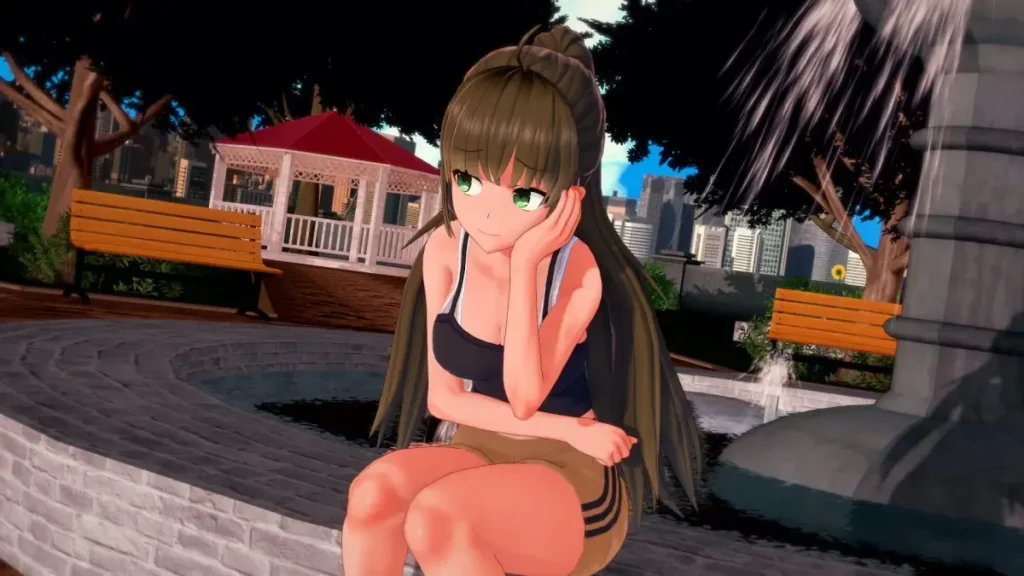


Lessons in Love review
Master gameplay mechanics, character relationships, and story progression in this supernatural dating simulation
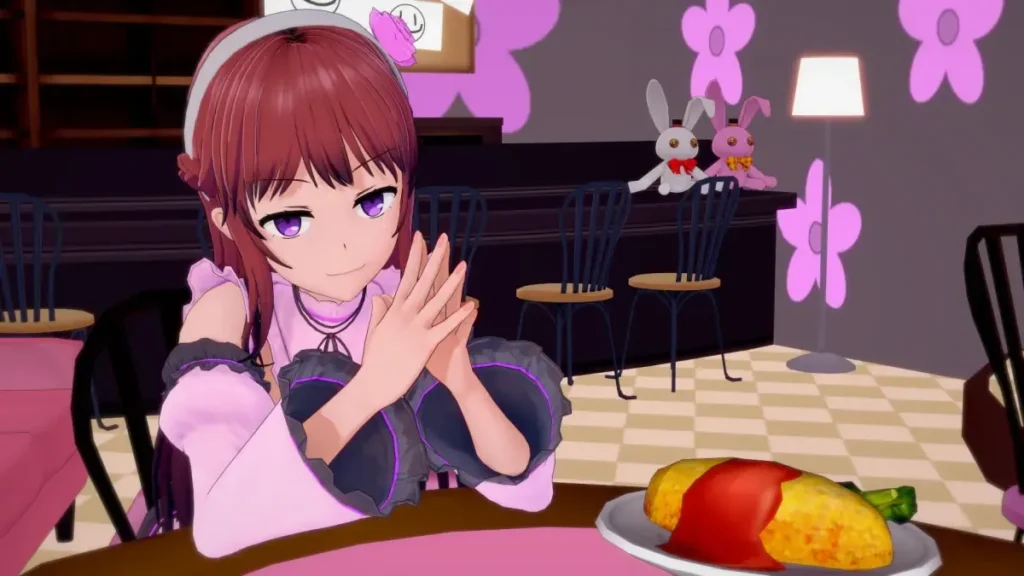
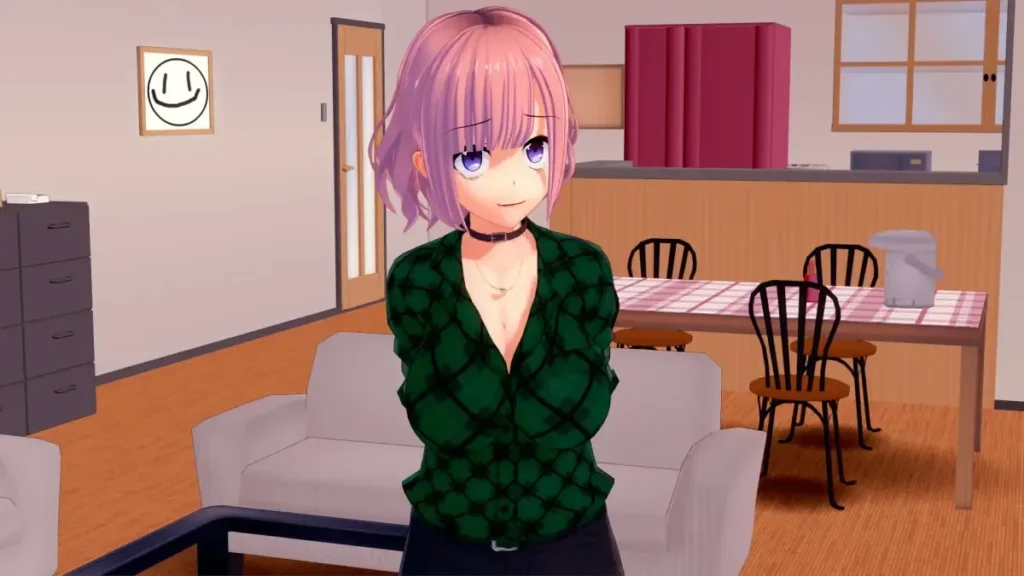
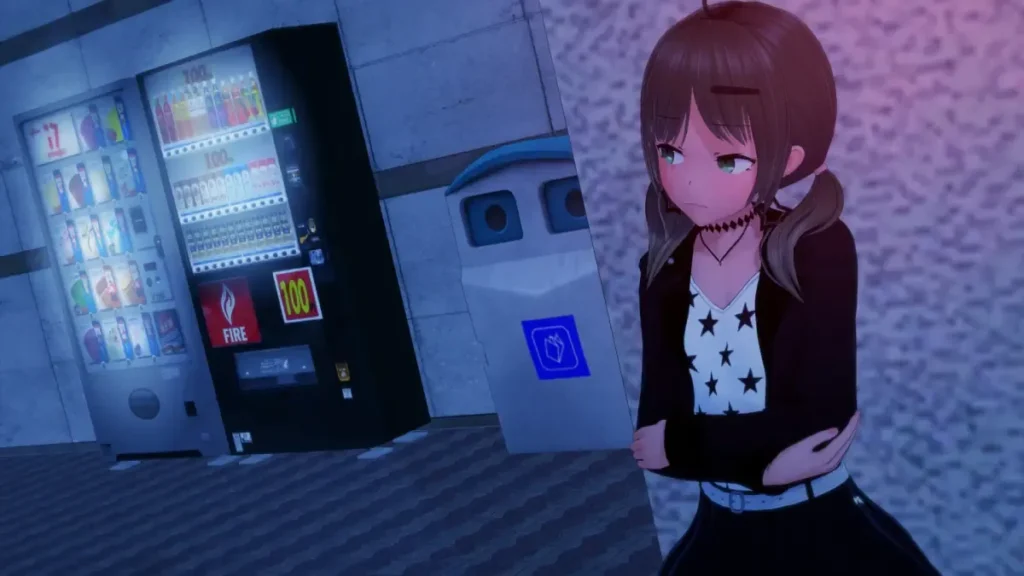
Lessons in Love is a complex visual novel that blends supernatural storytelling with character-driven narrative choices. The game follows a protagonist who awakens with amnesia in the body of a teacher in Kumon-mi, navigating relationships with various characters while uncovering the mysteries of a world governed by three enigmatic deities. This guide explores the core mechanics, character dynamics, and strategic choices that define your experience in this intricate narrative adventure.
Understanding Lessons in Love: Core Gameplay and Mechanics
So, you’ve started playing Lessons in Love and maybe you’re feeling a bit overwhelmed. 😅 I know I was. This isn’t your typical, linear dating sim where you just click through pretty pictures. From the moment I booted it up, I realized this was a different beast entirely. The Lessons in Love gameplay mechanics are deep, intricate, and demand your full attention. Forget passive reading; here, you’re the director of your own chaotic, supernatural school life. Every single choice, from where you go to what you say, ripples out to change everything.
At its heart, it’s a masterclass in player agency within a visual novel location system. You’re not on rails. Instead, you navigate a living world where time passes, characters have their own schedules, and opportunities vanish if you’re not paying attention. It’s thrilling, a bit terrifying, and utterly addictive. This guide will break down the core systems—from tracking relationships to making irreversible decisions—so you can move from confused newcomer to a master of this complex narrative playground. Let’s dive in.
How Location-Based Gameplay Works
The first major shock to the system in Lessons in Love is the complete absence of a traditional “next” button guiding your story. Instead, your primary tool for interaction and progression is the visual novel location system. Think of it as your daily planner in a haunted school. 🏫 Each in-game day, you’re presented with a map or a list of places you can visit—the classroom, the rooftop, the library, a character’s home, and many more.
Here’s how it worked for me on a typical (well, as typical as this game gets) day: I woke up and had to decide. Do I head straight to Class 3-3 to check on my students? Or do I sneak off to the Faculty Office first, hoping to find a particular teacher alone? The choice is yours, but the consequences are the game’s. Each location houses different characters at different times. Visiting the Gym in the morning might yield a completely different encounter than visiting it after school. This mechanic turns the game into a puzzle of timing and priority.
This system is the engine for all event triggers and consequences. Want to advance a specific character’s story? You need to be where they are, when they are there. The game doesn’t handhold you; it expects you to learn routines, remember hints dropped in dialogue, and sometimes just experiment. I once spent three in-game days frequenting the Café after hours because I had a hunch a certain character might show up. When she finally did, and a unique, tender scene unfolded, the payoff felt earned. That’s the magic of this design.
But be warned: this freedom is a double-edged sword. The visual novel location system is directly tied to missable events. If you don’t visit the right place on the exact day a story beat is set to occur, it might simply pass you by. Some events are one-day-only offers. Others might require you to have visited a sequence of locations in order. It creates an incredibly replayable experience because no two playthroughs will ever have you see exactly the same things in the same order. You’re crafting a unique path through a dense forest of possibilities.
Affection and Lust Systems Explained
Now, let’s talk about what you’re really building in those locations: relationships. Lessons in Love features a sophisticated and distinct dual-track metric system that goes far beyond simple “like” meters. Understanding affection and lust tracking is absolutely crucial to unlocking the story you want to see.
Think of it this way:
* Affection (The Heart ❤️): This represents genuine emotional connection, trust, fondness, and platonic care. Raising affection opens up deeper, more personal conversations, supportive moments, and storylines that delve into a character’s hopes, fears, and past. It’s the foundation of a meaningful bond.
* Lust (The Flame 🔥): This represents raw physical attraction, desire, and more risqué interest. Raising this stat unlocks flirtatious dialogue, intimate moments, and scenes with a much different tone. It’s about passion and physical connection.
The genius of affection and lust tracking is that they are separate but parallel tracks. You are not choosing a single path. You can cultivate a relationship high in both Affection and Lust, or high in one but not the other. This directly dictates which events you trigger. A character with high Affection but low Lust might confess their heartfelt worries to you in a quiet moment. That same character with high Lust might instead seek you out for a very different kind of private encounter.
Your character relationship progression is gated behind these values. Events are often locked behind specific numerical thresholds. For example, a character’s “Trust” event chain might require Affection > 30, while their “Passion” event chain requires Lust > 25. The game is constantly checking these hidden numbers behind the scenes.
Here’s a simplified example of how this can look for a hypothetical character’s event chain:
| Event Name | Affection Required | Lust Required | Unlocks/Leads To |
|---|---|---|---|
| First Study Session | 10 | 0 | Basic introduction, unlocks ability to give small gifts. |
| Heartfelt Confession | 40 | < 20 | Opens a deep story branch about their family. Locks out the “Midnight Rendezvous” event for this playthrough. |
| Midnight Rendezvous | > 20 | 35 | Opens a physical relationship branch. Locks out the “Heartfelt Confession” event for this playthrough. |
| Ultimate Bond Event | 75 | 75 | Requires maxing both tracks. The “true” ending path for that character. |
🔥 Personal Insight: On my first playthrough, I ignored Lust almost completely, thinking I was going for the “pure” route. Big mistake. I hit walls where characters wouldn’t open up further because, in the context of this game’s complex themes, a relationship devoid of any physical tension was actually seen as lacking a dimension of honesty. Balancing these two metrics is the real Lessons in Love gameplay mechanics challenge. It’s not about picking good or bad; it’s about navigating the messy, complicated reality of human (and supernatural) connection.
Making Choices That Matter: Consequences and Event Locks
This is where Lessons in Love separates the casual readers from the dedicated players. Every single mechanic we’ve discussed converges here, in the dialogue choice system and beyond. There is no such thing as a throwaway line or an inconsequential location visit. Everything is a thread in a vast, interconnected web.
The dialogue choice system is your moment-to-moment tool for influencing those affection and lust tracking metrics. A supportive, kind response will typically boost Affection. A flirtatious, bold, or teasing response will likely boost Lust. But it’s rarely that simplistic. Sometimes, a harsh truth (which might lower Lust in the short term) is what’s needed to massively boost Affection and unlock a crucial path later. You have to think about the character’s personality, the context of the scene, and your long-term goals.
However, the real depth—and the source of most anxiety!—comes from event triggers and consequences. The game is infamous for its event locks. Making a significant choice doesn’t just alter a scene; it can permanently close off entire story branches for that playthrough. Commit to helping Character A with their problem on Tuesday, and you might physically be unable to trigger Character B’s special event on Wednesday, because you weren’t in the right place to overhear a vital piece of information.
This creates a powerful sense of character relationship progression that feels real. Relationships evolve based on your invested time and conscious choices. If you neglect a character, their story stalls. If you pursue one character aggressively, others may react—with jealousy, disappointment, or by moving on with their own lives without you. I learned this the hard way when I focused too much on one storyline and later found another character in a crisis I could have prevented, had I just checked in on them earlier. The game remembered my absence, even when I didn’t.
This, naturally, leads us to the holy grail for completionists: the missable events guide mentality. Because so much is locked behind specific conditions and timelines, your first playthrough will miss content. Accept it. The game is designed for multiple replays. However, to give you a fighting chance, here are my top actionable tips born from painful experience:
🎯 Pro Tip: The game’s internal tracker is meticulous. Keep a notepad (digital or physical) and jot down dates, location hints, and character moods. It sounds like homework, but it’s the best way to hunt down those elusive scenes on your next run.
- Save Constantly and Creatively: Don’t just overwrite one save. Have a rolling set of saves at the start of each in-game week and before any major location decision. This is your primary tool for exploring branches.
- Listen for Direct Hints: Characters will often say things like “I’m usually at the park on Sundays if you need me…” or “I left my book in the chemistry lab earlier.” This is not flavor text. This is the game telling you where and when to trigger an event.
- Prioritize Consistently: If you want to maximize a relationship, you need to consistently spend time with that character. Sporadic visits won’t cut it against the game’s hidden calendar of events.
- Embrace the “Miss”: Your first run should be personal. Make choices that feel right to you, not what a guide says. The missable events will be there for your second, more guided, playthrough. The emotional impact of the story is greater when it’s truly your story, flaws and all.
- Check Every Location After Major Story Beats: Big plot events often change character routines or unlock new one-time scenes in specific places for a limited window. Be thorough.
The Lessons in Love gameplay mechanics ultimately create a unique tension. You have immense agency to shape the narrative through the visual novel location system and your dialogue choices, but that agency is bounded by ruthless, logical consequences. It’s a game that respects your intelligence and rewards careful observation, patience, and emotional investment. It’s not about winning a character; it’s about navigating the beautiful, terrifying, and complex lessons in love that the game has to teach, one deliberate, consequential choice at a time.
Lessons in Love stands out as a visual novel that successfully balances engaging character relationships with complex supernatural storytelling. The game’s mechanics—location-based exploration, affection tracking, and consequential choice-making—create a framework where player decisions genuinely shape the narrative experience. From Sensei’s mysterious amnesia to the enigmatic Trinity of gods, the story unfolds differently based on your choices, rewarding both careful planning and experimental playthroughs. Whether you’re drawn to the character-driven relationships or the deeper supernatural mysteries, understanding these core systems enhances your journey through Kumon-mi. Take your time exploring different choices, pay attention to character reactions, and embrace the game’s unique blend of emotional depth and narrative complexity.