Braveheart Academy
Play Braveheart Academy
Braveheart Academy Screenshots
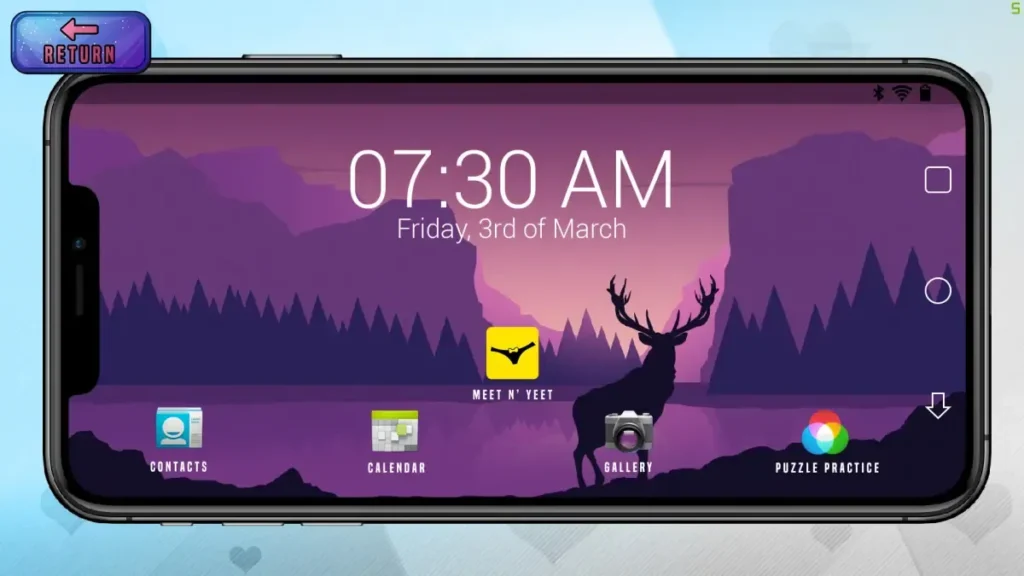
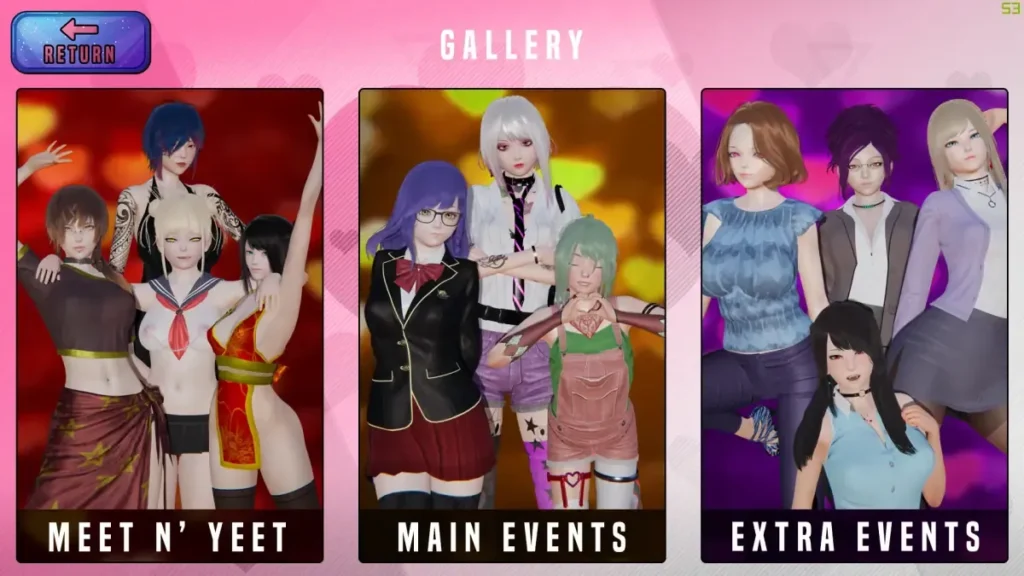
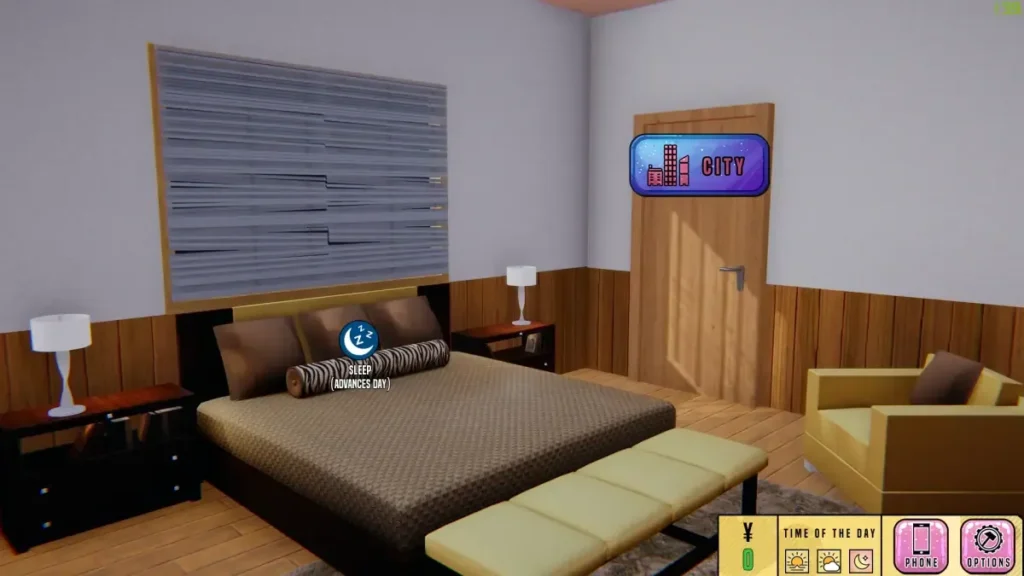
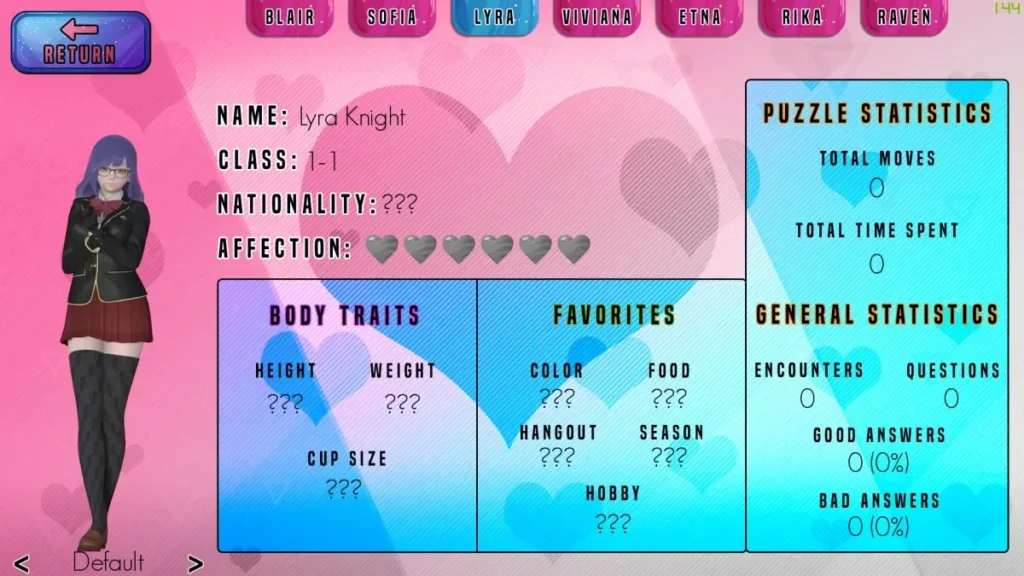
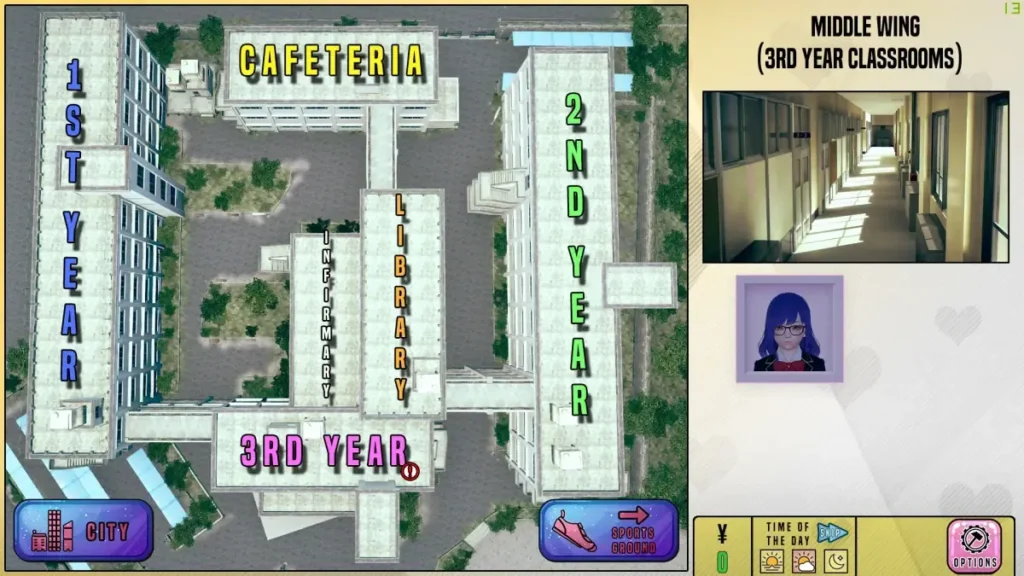
Braveheart Academy review
Honest impressions, gameplay tips, and player experiences with Braveheart Academy
Braveheart Academy is an adult-focused eroge-style visual novel that blends character-driven storytelling with relationship-building gameplay. From the first minutes, it’s obvious the game is designed around getting to know the students and teachers at the academy, choosing your dialogue carefully, and slowly unlocking each character’s personal route. When I first tried Braveheart Academy, I was expecting a simple click-through story, but I quickly realized how much your choices and timing actually matter. In this article, I’ll walk you through how the game works, what makes it stand out, and some practical tips I wish I had before I started my first playthrough.
What Is Braveheart Academy and How Does It Play?
So, you’ve heard the name and you’re curious. What exactly is Braveheart Academy, and more importantly, how do you actually play it? 🤔 If you’re expecting fast-paced action or complex resource management, let’s reset those expectations. At its heart, the Braveheart Academy game is a narrative-driven adult visual novel that leans heavily into dating sim mechanics. Think of it less as a “game” in the traditional sense and more as an interactive story where your choices script the romance, the drama, and the connections you make. Your primary controllers are your attention span and your mouse button for making selections.
I remember booting it up for the first time, not quite sure what I was in for. Within minutes, I was immersed in a beautifully rendered academy, meeting a cast of characters who each had a surprising amount of depth in their opening dialogues. I almost made the classic rookie mistake of clicking through the introductions too fast, eager to “get to the good stuff.” But I quickly learned that in Braveheart Academy, the dialogue is the good stuff. Skipping it means missing subtle hints, character quirks, and those all-important relationship flags that guide your entire journey. It’s a world built on conversation, choice, and consequence.
What kind of game is Braveheart Academy?
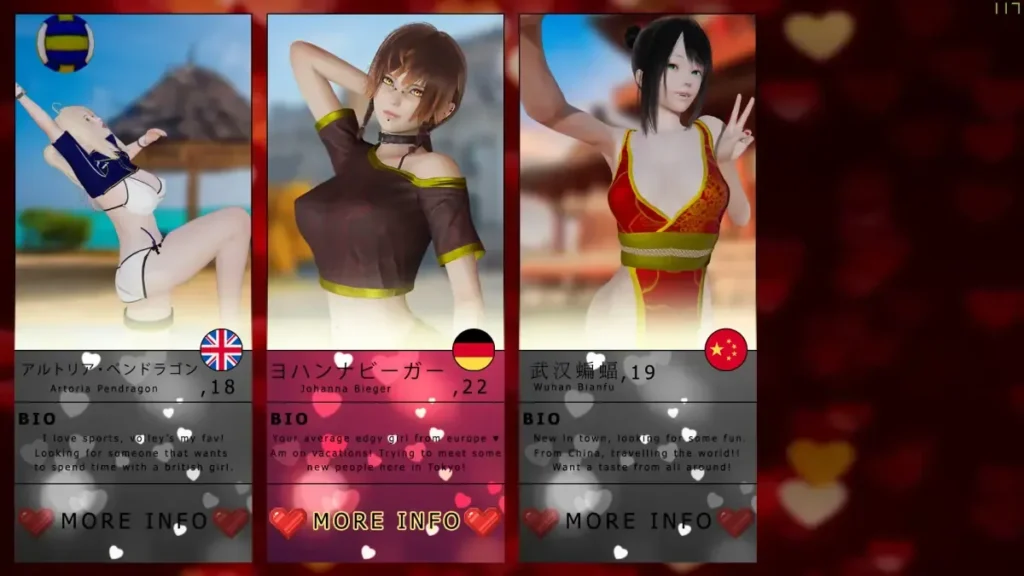
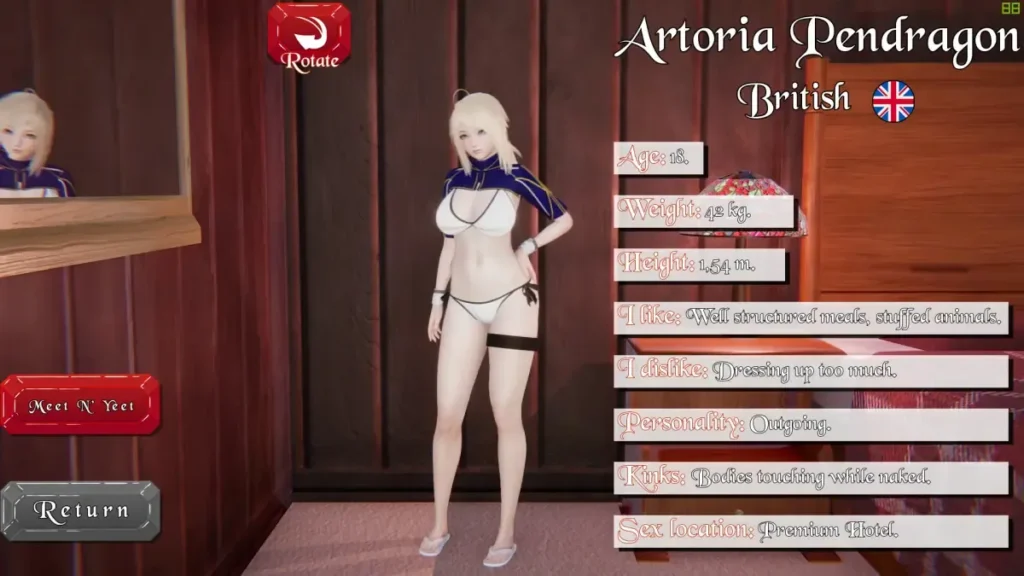
Imagine arriving at a new, prestigious academy. Your goal isn’t just to make top grades, but to navigate the complex social landscape and form deep, intimate bonds with fellow students and staff. That’s the core premise of Braveheart Academy. This adult visual novel places you in the shoes of a new student, surrounded by a diverse cast, each with their own personalities, backstories, and personal walls you need to gently break down.
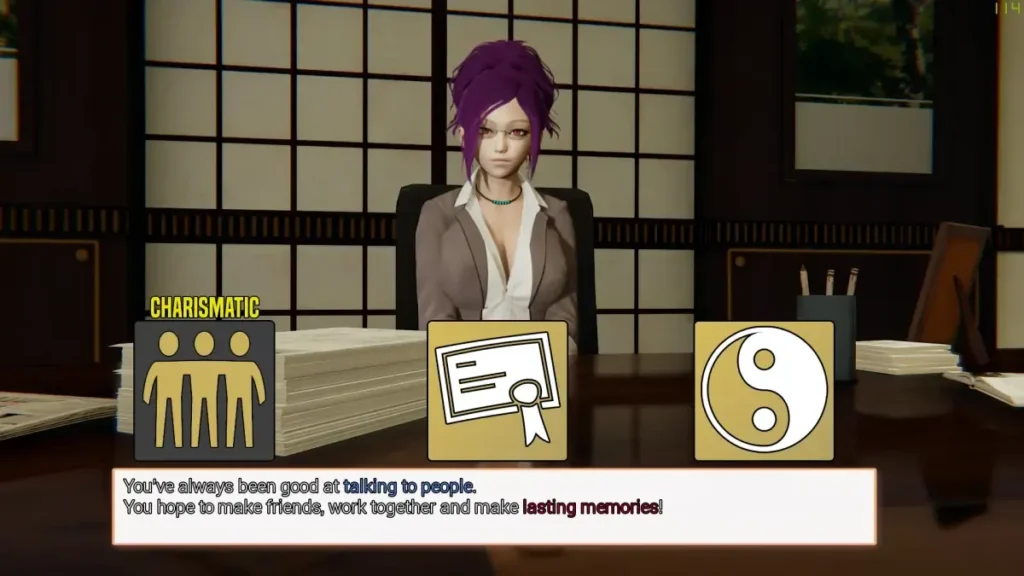
The Braveheart Academy gameplay loop is beautifully straightforward but deeply engaging. You progress through a series of days or events, presented with story scenes filled with character dialogue. Your interaction comes at key moments: you’ll be given a set of Braveheart Academy choices that determine how characters perceive you. Do you respond to the shy classmate with humor or sincerity? Do you offer help to the proud team captain, or challenge them? Each decision nudges your relationship with them in a specific direction, gradually unlocking their unique “route”—a dedicated storyline focused on your growing connection.
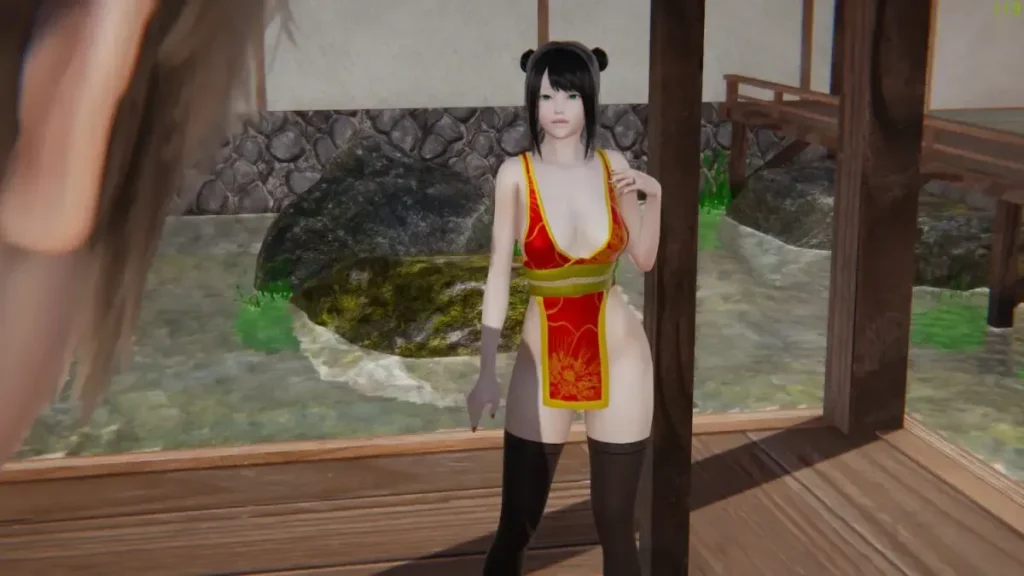
The presentation is a huge part of the appeal. The game uses high-quality CG renders and animated scenes to bring pivotal moments to life, making your successful choices feel genuinely rewarding. It’s a testament to the idea that powerful storytelling in games doesn’t always need reflex-based challenges; sometimes, it just needs you to care about the people on screen.
To break it down, the main pillars of the Braveheart Academy game are:
- Story & Reading: This is the foundation. Be prepared to read, a lot, and enjoy it.
- Meaningful Choices: Every conversation can branch the narrative.
- Character Routes: Focus on building a relationship with one (or more) characters to experience their complete story arc.
- Visual Reward: Stunning static images and animations that serve as milestones for your progress.
How does the dialogue and choice system work?
This is where the magic—and the strategy—of Braveheart Academy gameplay really happens. The dialogue system isn’t just a linear chat; it’s often structured in multi-phase interactions that feel like a gentle, social puzzle. 🧩 You’re not just picking what to say; you’re learning how to talk to each individual.
A typical encounter might start with a greeting, then move to a topic of conversation, and end with a parting gesture. At each stage, you’re presented with 2-4 response options. These aren’t just “good” or “bad” in a vacuum. What charms the mischievous, outgoing character might completely alienate the serious, studious one. The game brilliantly forces you to think from the perspective of the character you’re engaging with.
For example, early on I was trying to connect with a character who was clearly guarded and valued honesty above all. I chose a response I thought was charmingly playful, but her reaction was a cool, dismissive line and the conversation ended abruptly. I hadn’t “failed,” but I’d definitely stalled my progress on her route for that day. Conversely, with a more jovial character, that same playful choice unlocked an extra scene of banter I wouldn’t have seen otherwise.
Here’s my hard-earned, practical advice for navigating this system:
Always, always read the character’s reaction immediately after your choice. Their facial expression and next line of dialogue are your instant feedback. A smile or a continued engaged conversation means you’re on the right track. A frown, a change of subject, or a short reply is your signal to pay attention.
Quick-save before any choice that feels significant. Is the music swelling? Is the conversation getting deeply personal? Save! This lets you experiment without the fear of permanently derailing your playthrough.
Treat your first few hours as a learning lab. Don’t stress about optimizing every single choice. Use this time to experiment and map out personalities. What does the athletic character respect? What makes the bookworm open up? This knowledge is more valuable than any walkthrough.
To help visualize the impact, here’s a breakdown of common choice types:
| Choice Type | Typical Impact | In-Game Example |
|---|---|---|
| Affection Builder | Directly increases a character’s hidden relationship score. The most common type. | “I believe in you.” / “You can do this.” |
| Route Flag | Opens or closes a potential story branch for a specific character. | Agreeing to meet them alone after hours vs. suggesting a group study session. |
| Information Gatherer | Unlocks additional backstory or lore, but doesn’t necessarily boost affection. | “Can you tell me more about what happened last year?” |
| Tone Setter | Defines your protagonist’s personality in that moment, which can influence later interactions. | Responding to teasing with wit vs. with flustered embarrassment. |
Why do player decisions matter so much in Braveheart Academy?
In many games, choices are an illusion of control, offering minor dialogue variations but funneling you back to the same plot points. Braveheart Academy is gloriously not one of those games. Here, your Braveheart Academy choices are the architects of your entire experience. They matter because the game is designed around the philosophy of meaningful consequence and replayability. 🗺️
Decisions influence the game on multiple levels. Primarily, they affect a character’s hidden affection meter, which is the gatekeeper to their route and all the exclusive scenes within it. But beyond just “points,” choices can act as literal keys. A specific dialogue option might unlock access to a new location, like a character’s private dorm room or a hidden spot on campus, which then becomes available for future encounters. Most crucially, certain choices can lock you out of content for that entire playthrough. Choosing to spend time with Character A on a crucial weekend might permanently make you miss a foundational event with Character B.
This is why I strongly advise a focused approach for your first run. The temptation is to try and make everyone happy, to see all the characters’ initial scenes. I did this, and by the mid-game, I found my affection spread so thin that I wasn’t advancing meaningfully on any route. I was stuck in a narrative limbo. The game rewards commitment. Pick one or two characters you’re genuinely intrigued by and focus your positive choices on them. Let other relationships develop naturally, or even sour a bit—it makes the story feel more real and gives you a clear goal for your next replay.
And you will want to replay. The genius of how does Braveheart Academy work is revealed in that second or third playthrough. On my first run, I befriended a character who was always friendly but distant. On my second, I made a different, seemingly innocuous choice in Chapter 1—asking about a book they were reading instead of commenting on the weather. That single choice cascaded. Hours later, in Chapter 4, they referenced that initial book conversation in a moment of vulnerability, opening up a heartfelt scene I never saw the first time. A tiny, early decision had fundamentally changed the texture of our entire relationship. That moment was more thrilling than any boss fight.
Braveheart Academy rewards patience, observation, and intentionality. It’s a game that trusts you to be an active participant in its story, and in return, it provides a uniquely personal adventure every time you play. Your choices are the pen, and the story is yours to write.
Your First Steps at Braveheart Academy: Quick FAQs
Q: Is the Braveheart Academy game more about story or gameplay?
A: It is overwhelmingly a story experience. The “gameplay” is the active process of making choices that shape that story. If you love reading and character-driven narratives, you’ll feel right at home.
Q: Can your choices really lock you out of scenes or entire character routes?
A: Absolutely, yes. This is a core part of the design. Major branching points often close off one path as they open another, which is what makes each playthrough distinct and encourages replays to see what you missed.
Q: How long is a typical playthrough?
A: Focusing on a single character’s main route can take anywhere from 8-15 hours, depending on your reading speed and how much you explore. Seeing all the content the Braveheart Academy game has to offer requires multiple, dedicated playthroughs.
Q: Is there a “right” way to play my first time?
A: The best advice is to play authentically. Make choices that feel true to you or how you’d want your character to act. You’ll have a more personal and memorable experience, even if you don’t see the “perfect” ending on try one. Save the guide-following for later replays!
Braveheart Academy is best enjoyed as a slow-burn, story-first experience where your choices and timing genuinely shape what you see. When you treat each conversation as a chance to understand the characters rather than rushing to the next scene, the academy starts to feel like a living place instead of just a backdrop. If you’re curious about it, go in with an open mind, pick one or two characters to focus on for your first run, and don’t be afraid to replay branches you’re unsure about. That mix of discovery, experimentation, and character-driven storytelling is where Braveheart Academy really shines.