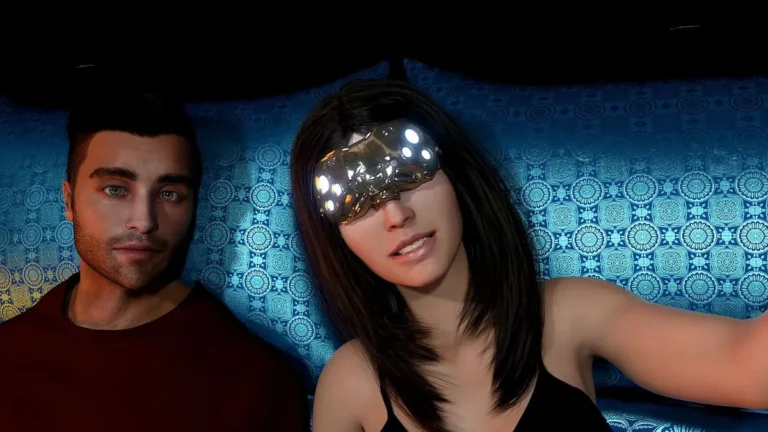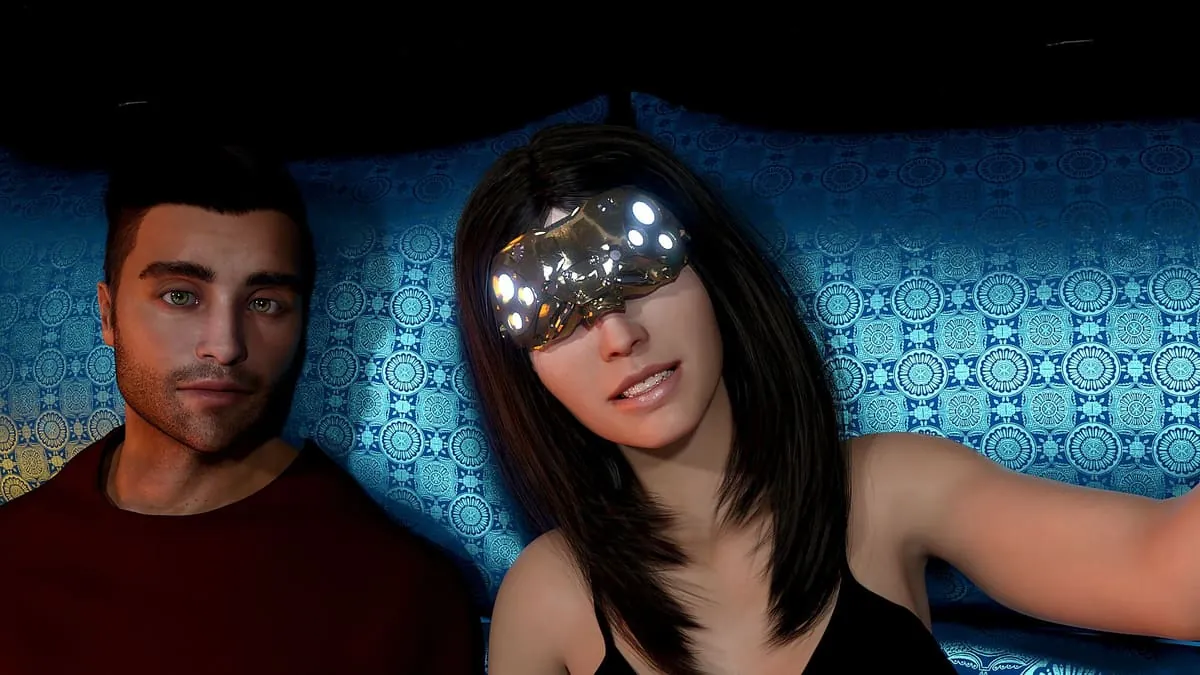
Artemis
Play Artemis
Artemis Screenshots

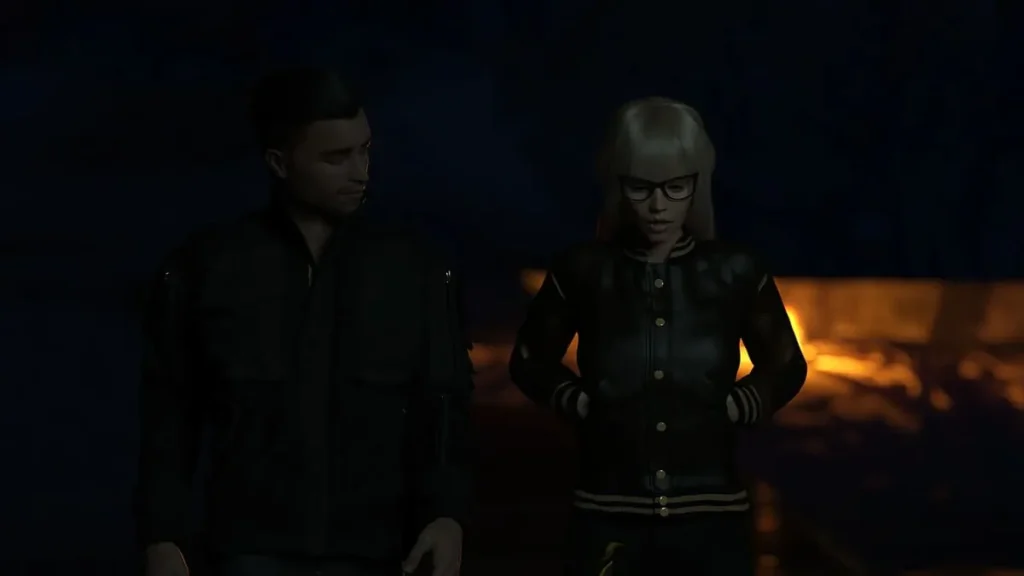





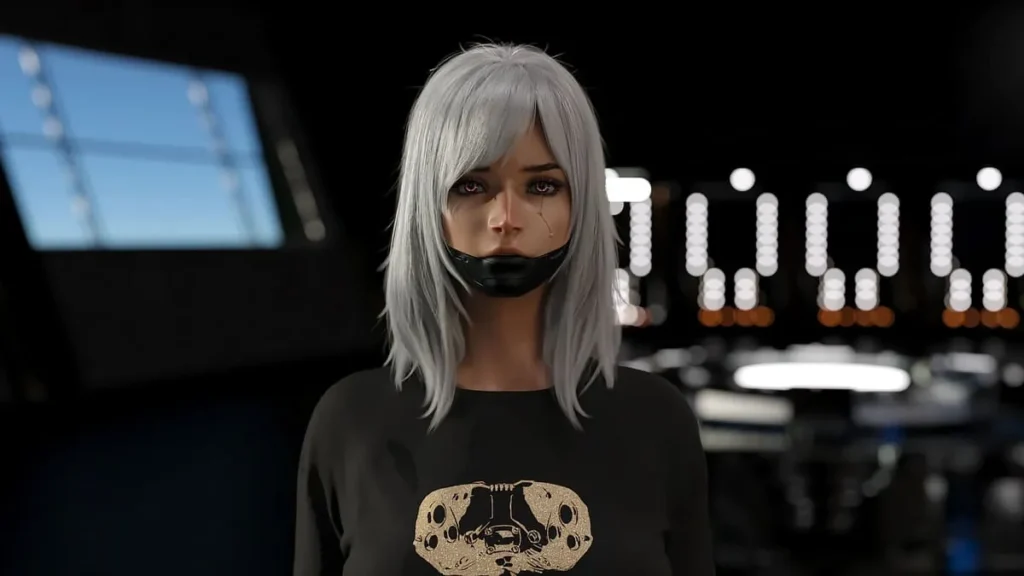










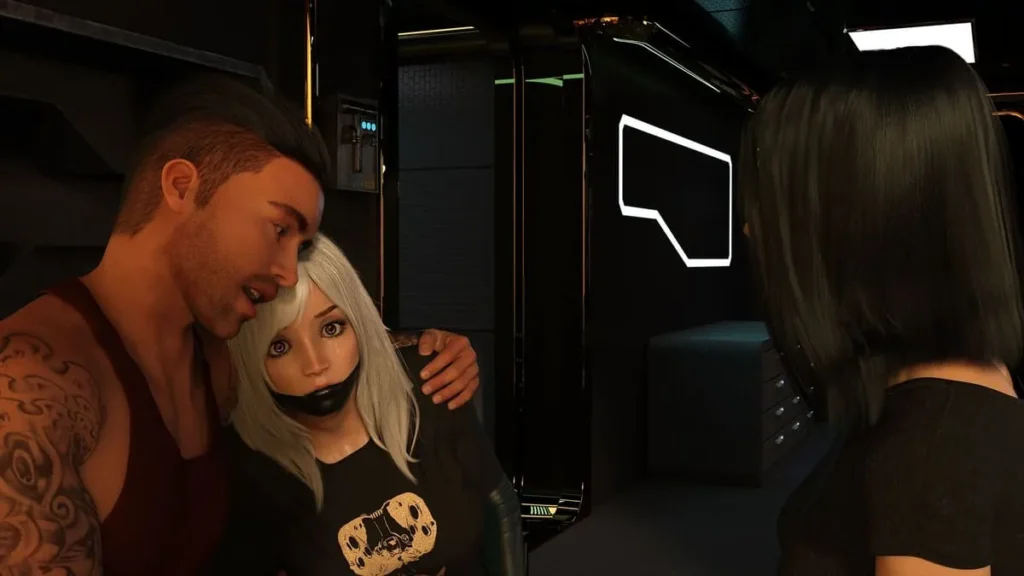











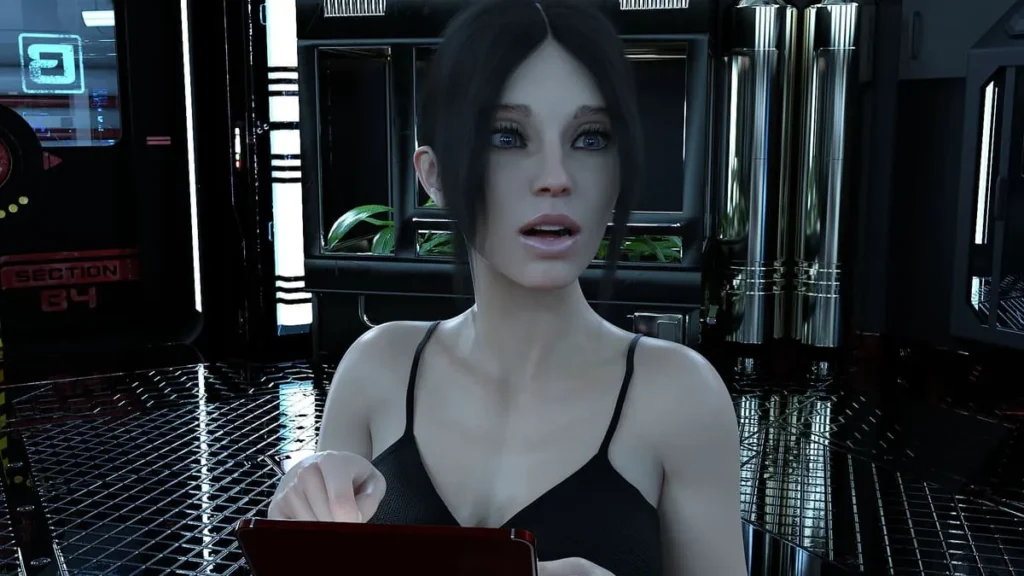



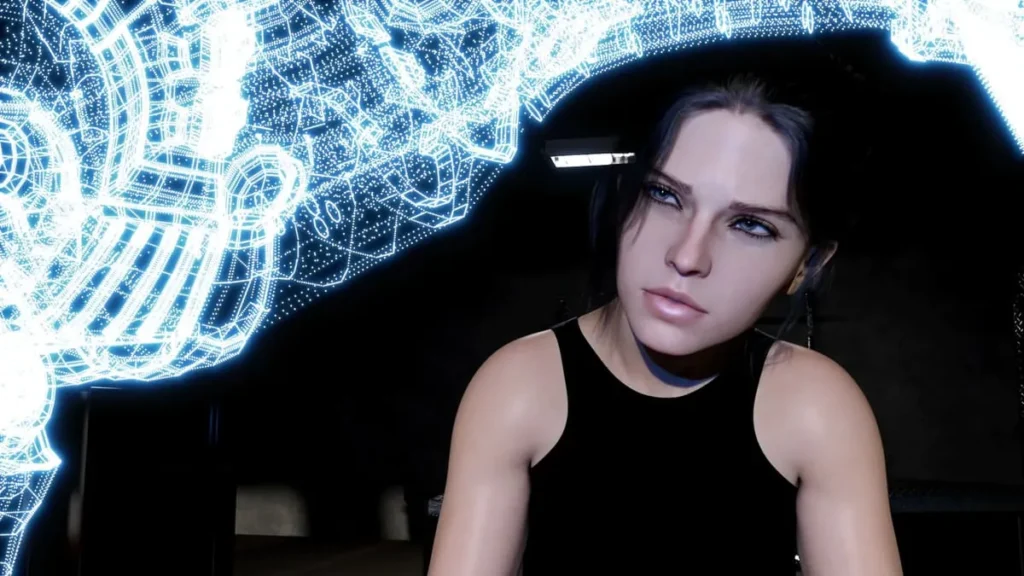

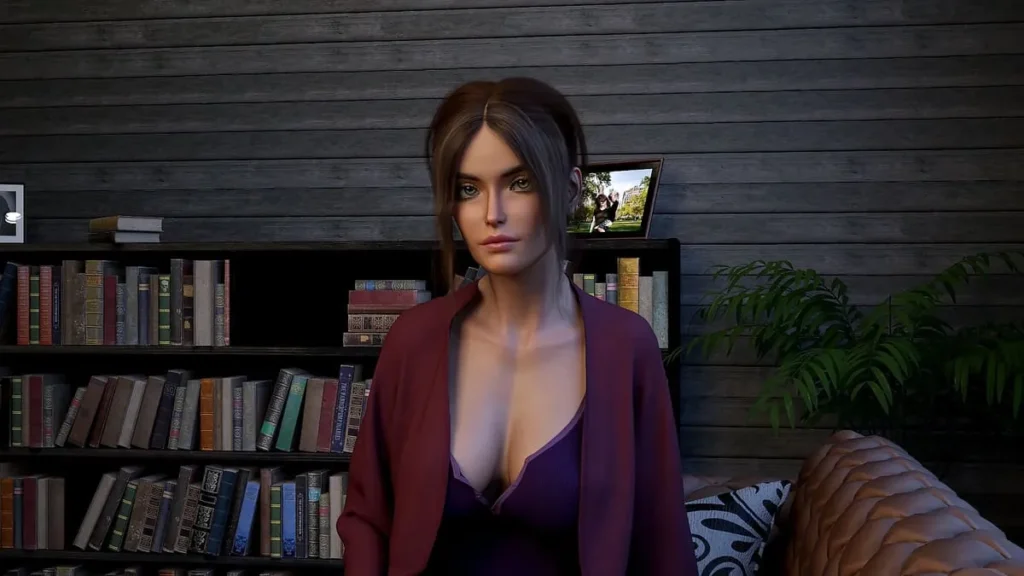
Artemis review
Everything You Need to Know About This Popular Adult Visual Novel Experience
Artemis has emerged as a standout title in the visual novel genre, captivating players with its engaging narrative and interactive storytelling. This adult-oriented visual novel combines compelling character development with meaningful player choices that shape the overall experience. Whether you’re new to visual novels or a seasoned player, understanding what makes Artemis unique can enhance your appreciation of this interactive narrative experience. Our comprehensive guide explores the game’s mechanics, story elements, and what players consistently praise about this title.
Understanding Artemis: Gameplay Mechanics and Story Structure
So, you’ve heard the buzz about Artemis and you’re ready to dive into its world, but you’re wondering: what exactly am I getting into? 🤔 If your gaming background is mostly in action-packed RPGs or fast-paced shooters, the visual novel format can feel like a completely different universe. Don’t worry—I felt the same way at first. I remember booting up my first visual novel years ago, expecting passive reading, and was blown away by how invested I became. Artemis visual novel gameplay takes that investment to another level, masterfully blending narrative, choice, and character connection into an experience that’s less about “playing” in a traditional sense and more about living a story.
Think of it as the ultimate “choose your own adventure” book, but with stunning visuals, a gripping soundtrack, and characters who feel like real people. Your decisions don’t just nudge the plot; they fundamentally reshape relationships, alter destinies, and craft a story that is uniquely yours. This chapter is your friendly guide to understanding the engine under the hood. We’ll break down the visual novel mechanics explained in Artemis, walk through its story structure, and show you how to navigate the beautiful complexity of its character webs. Let’s get started! ✨
How Artemis Gameplay Works: Core Mechanics Explained
At its heart, Artemis is a masterpiece of interactive storytelling. The core loop is elegant in its simplicity: read, look, listen, and choose. But within that simplicity lies incredible depth. You’ll spend most of your time reading prose and dialogue, with beautiful character sprites and background art setting the scene. The soundtrack swells and falls with the emotional beats, pulling you deeper into the narrative. It’s a controlled, intimate experience where the primary interaction is your decision-making.
The true magic—and the core of Artemis visual novel gameplay—is the choice-based narrative system. Periodically, the story will pause and present you with a decision. These aren’t always grand, world-altering declarations. Sometimes, they’re subtle: Do I offer a word of comfort or stay silent? Do I confront a character now or let the issue lie? It’s in these moments that the game truly becomes yours. I learned this the hard way on my first playthrough. I made what I thought was a minor, slightly sarcastic remark to a key character in Chapter 2, and it completely closed off a tender, revealing scene with them much later. The game remembers everything.
To help you grasp the systems at play, here’s a quick list of the key interactive elements you’ll encounter:
- Dialogue and Narrative Choices: The main driver of the story. These choices directly influence character affinity and plot direction.
- Affinity/Relationship Points: A hidden (and sometimes shown) metric that tracks your standing with each major character. Your choices add or subtract points from these totals.
- Branching Decision Points: Major choices that act as story forks, leading to entirely different scenes, chapters, or endings.
- Multi-path Narrative: The story isn’t linear. Based on your choices and affinity, you will experience different scenes and sequences, making each playthrough distinct.
- Save System: Crucially, you have multiple save slots. Save often and in different slots! This is your best tool for exploring different visual novel branching storylines without losing progress.
This structure is what defines the best choice-based narrative games. It’s not about skill or reflexes; it’s about empathy, intuition, and sometimes, following your heart (even if it leads to drama!). The visual novel mechanics explained here create a powerful sense of agency. You’re not watching a story about these characters; you are actively participating in it, for better or worse.
Story Progression and Chapter Breakdown
The narrative of Artemis is structured like a premium TV series, with distinct Artemis story chapters that each have their own focus, rising action, and emotional climax, while contributing to a larger seasonal arc. Pacing is key here. The game understands the value of quiet, character-building moments just as much as it delivers on intense, plot-twisting revelations.
A typical Artemis story chapters breakdown follows a clear progression from introduction to escalating consequences. The early chapters are about world-building and establishing your place within it. You’ll meet the core cast, understand the central tensions (without giving spoilers!), and start making choices that feel personal rather than epic. As you move into the middle chapters, the weight of your earlier decisions begins to show. Relationships deepen or fracture, subplots intertwine, and the stakes get palpably higher. The final chapters are where all threads converge, and the game presents you with its most consequential choices, leading to one of several ending sequences that reflect your journey’s totality.
My first complete Artemis game walkthrough took me about 12-15 hours, but that’s just one path. To see all major story arcs and endings, you’re looking at 40+ hours of content. The replay value is immense because many Artemis story chapters contain exclusive scenes that only trigger under specific conditions, like having a high enough affinity with a certain character or making a pivotal choice three chapters prior.
To give you a clearer picture, here’s a table outlining the general flow and focus of the game’s structure:
| Phase | Chapter Focus | Player’s Role | Key Mechanics |
|---|---|---|---|
| Foundation (Ch. 1-3) | Introduction to the world, core cast, and central mystery. Establishing initial relationships. | The Newcomer: You are learning the rules and dynamics of the world alongside the protagonist. | Basic choice introductions, early affinity building, setting the narrative tone. |
| Complication (Ch. 4-6) | Deepening personal arcs, rising external conflict. The consequences of early choices become visible. | The Confidant: You are now entrenched in the story, making choices that directly impact your closest allies. | Branching paths become more pronounced, affinity thresholds unlock special scenes, relationship conflicts arise. |
| Crisis & Resolution (Ch. 7-Finale) | Major plot climaxes, relationship resolutions, and confrontation of the central themes. The end of the current story arc. | The Decider: Your accumulated choices dictate the finale’s emotional and narrative outcome for every character. | High-stakes final choices, ending variations based on total affinity and key plot decisions, epilogue scenes. |
This chapter-based structure makes the epic story manageable and gives you natural breaking points to reflect on your choices. It’s what makes following an Artemis game walkthrough so interesting—you can see exactly where the road you didn’t take would have led.
Character Development and Relationship Dynamics
If the plot is the skeleton of Artemis, then the characters are its heart, soul, and nervous system. This is where the game shines brightest. Each main character is crafted with a compelling backstory, flaws, desires, and a personal arc that evolves independently—but is also deeply sensitive to your influence. Managing character relationships visual novel style is the game’s core strategic and emotional layer.
Relationship progression isn’t just a bar you fill up. It’s a dynamic, living system. Characters react to your personality as shown through your choices. Are you consistently supportive and kind? They’ll open up to you. Are you brash and confrontational? They might respect your honesty or become defensive. This creates incredibly authentic visual novel branching storylines centered on people, not just plot points. I once did two back-to-back playthroughs focusing on different characters. In one, I was a steadfast rock for a particular companion, and their arc ended with a beautiful, earned moment of peace. In the other, where I was more distant, their story concluded with a tragic, self-destructive note that left me heartbroken. The game didn’t judge either outcome; it just reflected the relationship I built.
The system works through a combination of visible and hidden cues:
* Affinity Levels: Think of these as friendship (or romance) milestones. Reaching a new level often unlocks special one-on-one scenes, exclusive dialogue options, and changes how the character interacts with you in group settings.
* Choice-Triggered Flags: Specific decisions set hidden “flags” that can open or close entire subplots much later. Siding with Character A in an argument might flag you for their personal quest line, while alienating Character B.
* Route Lock-Ins: As you progress, major decisions will eventually “lock” you into a primary character’s route, focusing the latter half of the story on deepening that specific relationship and seeing their arc through to its conclusion.
🎯 Pro Tip: Don’t try to make everyone happy on your first playthrough. It’s almost impossible and can lead to a muddled, middle-of-the-road story. Pick the character who intrigues you most and role-play authentically. The most satisfying Artemis visual novel gameplay comes from committing to a path and seeing where it leads, regrets and all.
Here are some practical tips for navigating these dynamics:
- Listen Actively: Pay attention to what characters say about their pasts and their fears. Choices that align with their core values will always strengthen your bond.
- Embrace Imperfection: Some of the most memorable moments come from “mistakes” or choices that cause conflict. These relationships feel real because they have tension and resolution.
- Use Multiple Saves: Before any major story decision or chapter transition, create a new save file. This is your ticket to exploring different visual novel branching storylines without a full replay.
- Take Your Time: There’s no timer. Sit with the choices. Think about who your protagonist is and who you want them to become in relation to others.
Understanding these character relationships visual novel mechanics is the key to moving from simply reading a story to truly inhabiting it. Your journey through Artemis will be unique—a product of your empathy, your mistakes, and your care. It’s a powerful reminder of how compelling choice-based narrative games can be when they put human connection at the center.
FAQ: Common Questions About Artemis Gameplay
Q: I’m new to visual novels. Is Artemis a good place to start?
A: Absolutely! While it has deep systems, its interface is intuitive and its storytelling is so engaging that you’ll quickly adapt to the format. It’s a fantastic representative of what modern choice-based narrative games can achieve.
Q: How long does it take to get a “good” ending?
A: There’s no single “good” ending, only endings that are truthful to your choices. A fulfilling ending that resolves your chosen character’s arc can be achieved in 12-18 hours on a first playthrough. “Completionists” seeking all variations will spend much longer.
Q: Can I romance multiple characters at once?
A: The game allows you to build affinity with multiple characters, but significant narrative choices will eventually steer you toward a primary relationship path. Attempting to juggle several deep romances can lead to complicated consequences—which can be a fun story in itself!
Q: Do I need a walkthrough for my first playthrough?
A: I strongly recommend playing blind the first time! The magic of Artemis visual novel gameplay is experiencing the consequences of your own authentic choices. Use an Artemis game walkthrough on subsequent playthroughs to find hidden scenes or specific endings you missed.
Q: How do I know if a choice is important?
A: The game rarely signposts “MAJOR DECISION AHEAD.” Treat every choice as if it matters. Sometimes a small, kind act in Chapter 1 echoes loudly in Chapter 7. This consistent cause-and-effect is what makes the visual novel branching storylines so rewarding to discover.
Artemis stands out as a compelling visual novel that combines engaging storytelling with meaningful player agency. The game’s strength lies in its character development, narrative depth, and the way player choices genuinely impact the unfolding story. Whether you’re drawn to the interactive narrative experience, the character relationships, or simply exploring what makes visual novels unique, Artemis offers substantial content that rewards multiple playthroughs. For those interested in narrative-driven games or the visual novel genre, Artemis represents a quality experience that demonstrates the potential of choice-based interactive storytelling. Start your journey today and discover why this title has resonated with so many players in the visual novel community.